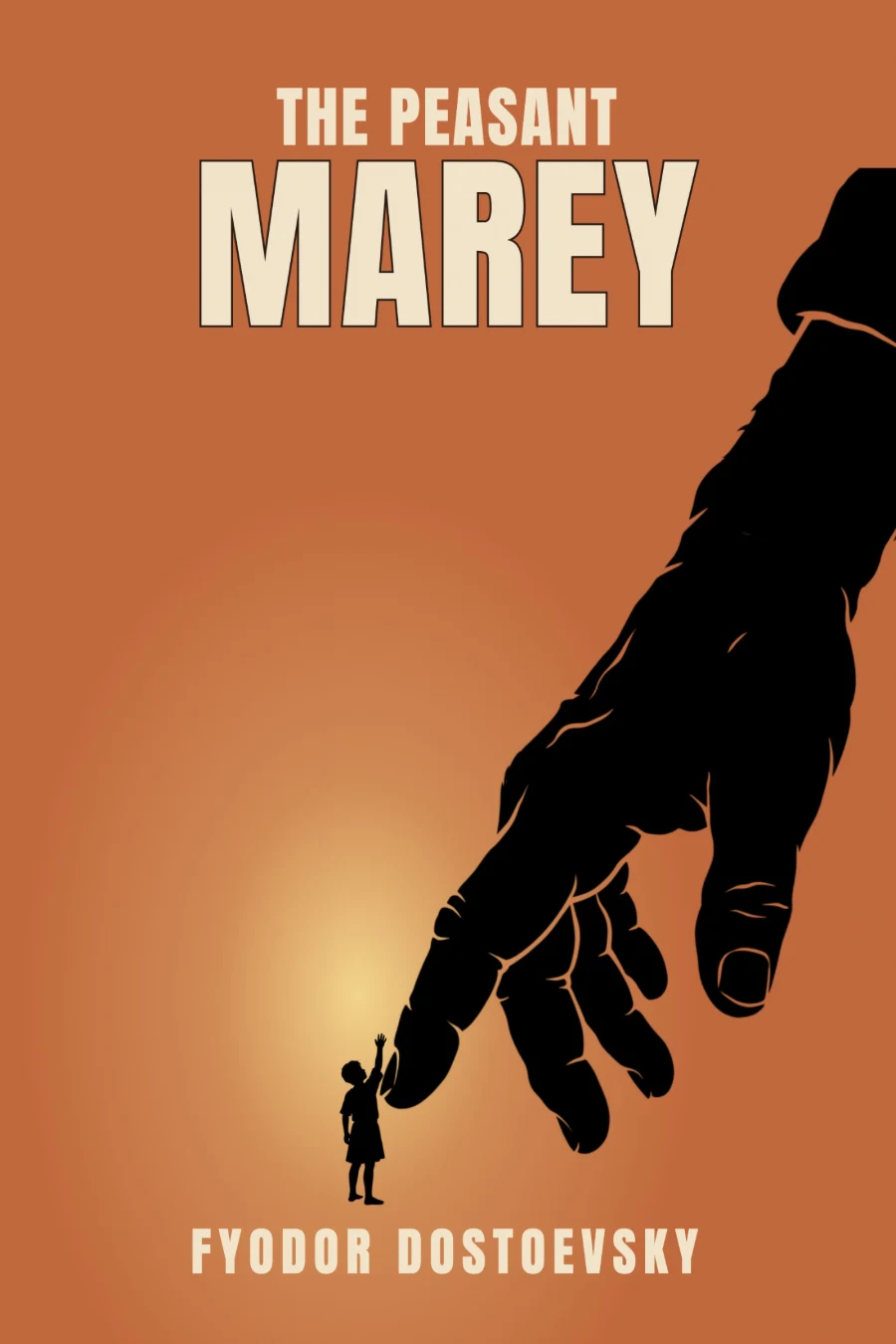
The Peasant Marey
11 min
2,191 words
en
It is the second day of the Easter holidays in the Siberian convict prison where the young Dostoevsky is serving his sentence. The compound is loud with drunken brawls, knife fights, and the particular cruelty of men with nothing else to do. He retreats to his bunk and closes his eyes to escape the noise, and a forgotten memory of his ninth summer surfaces — running through a birch wood at the edge of his family's small estate, being terrified by what he thought was the distant cry of "wolf!" and stumbling on a peasant called Marey ploughing in a clearing, who set down his work and quieted the small frightened boy with a gesture so gentle it could not have been performed for any audience but the child.
Dostoevsky published The Peasant Marey in his Diary of a Writer in February 1876. It is barely two thousand words. It is also one of the very few autobiographical statements he ever permitted himself to publish, and the document on which his entire late religious-political vision of the Russian peasantry rests. The piece does the impossible work of carrying both halves — the unfiltered violence of the convict yard and the unearned grace of the muddy clearing — without resolving them, and lets the reader feel how thirty years between the two events did not diminish either.
The Peasant Marey rewards readers who want to see the bridge between the convict-prison years and the late spiritual novels — the moment Dostoevsky decided, on the evidence of a single ploughman's hand on a small boy's cheek, that his life's work would be to argue for what he had just remembered. It is short enough to read in fifteen minutes and consequential enough that without it the closing pages of The Brothers Karamazov would have no foundation.
Russian fictionShort stories, Russian--Translations into EnglishPeasants--Russia--FictionPrisoners--FictionChildhood--FictionAutobiographical fiction
PublisherKafka
LanguageEnglish
Source
dream-ridiculous-man-dostoevsky