How Much Land Does a Man Need?
31 min
6,181 words
en
4.0
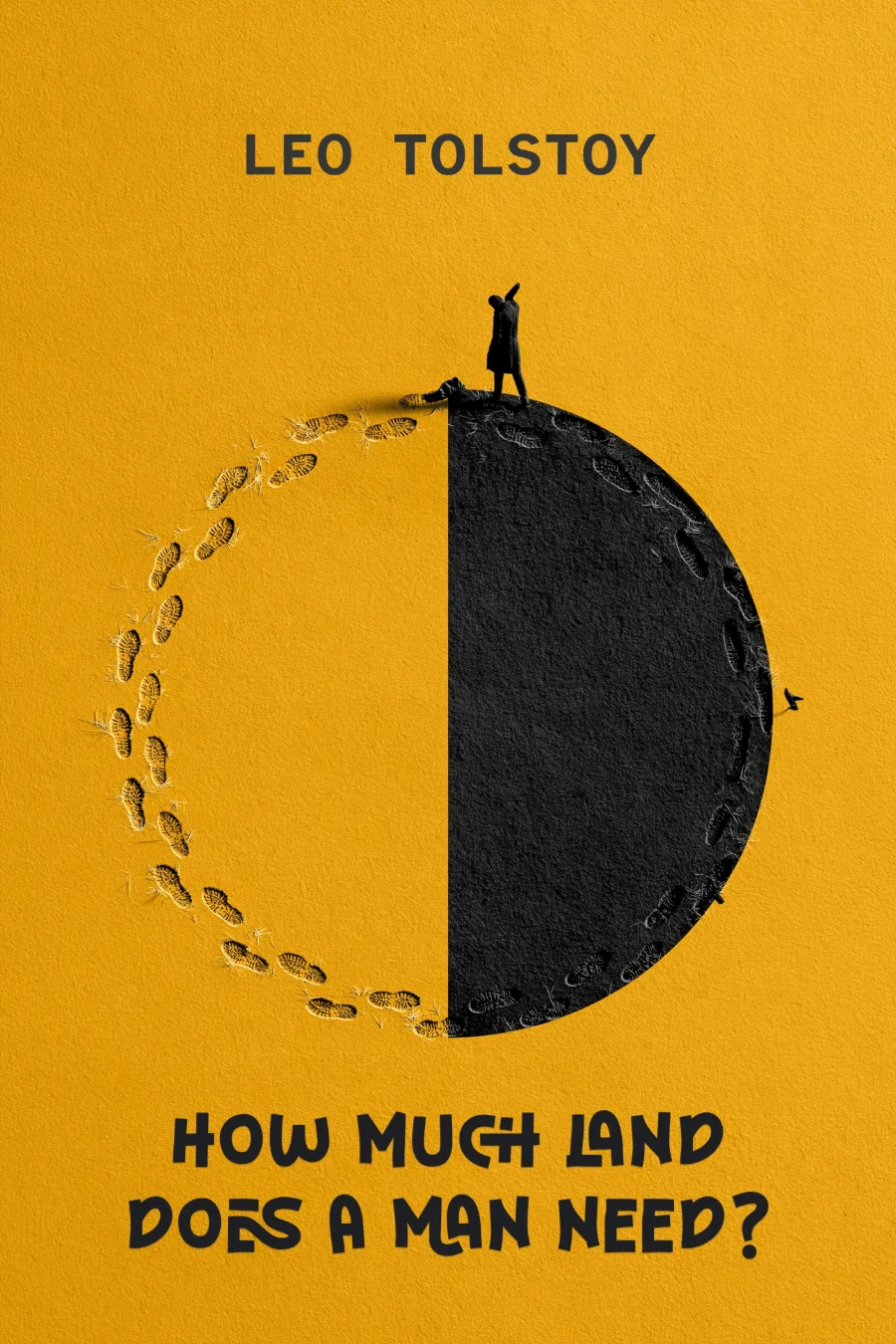
Pahom is a small peasant farmer in central Russia who has always believed that if he had enough land he would not even fear the devil. From a modest holding he climbs, in successive moves, to better land further east, then to richer land further east again, each acquisition expanding his ambition rather than satisfying it. At last he hears of the Bashkirs, a nomadic people beyond the Volga, who sell land by an extraordinary measure: a thousand rubles for as much as a man can walk around in a single day, from sunrise to sunset, provided he returns to the starting point before the sun goes down. Pahom signs the bargain and lays himself down to sleep, planning his route.
Tolstoy wrote this story in 1886, in the middle of the great religious crisis that produced A Confession and the late spiritual writings. James Joyce called it "the greatest story that the literature of the world knows." Its power lies in its perfect economy — a parable structure as old as folklore, executed by a novelist at the height of his realist powers. We see Pahom's calculations to the hour, the changing landscape under his feet, the moment he understands he has gone too far, the desperate run back as the sun sinks behind the steppe.
How Much Land Does a Man Need? rewards readers who appreciate the moral story stripped to its bones, who can feel the eternal logic of the bargain pressing forward through every paragraph, and who understand why Tolstoy considered the late short fictions, written for peasants in a deliberately plain register, the truest work of his career. The story's answer — given in its devastating last sentence — is one of the most quoted lines in Russian literature.
PublisherKafka
LanguageEnglish
Source
short-fiction-leo-tolstoy