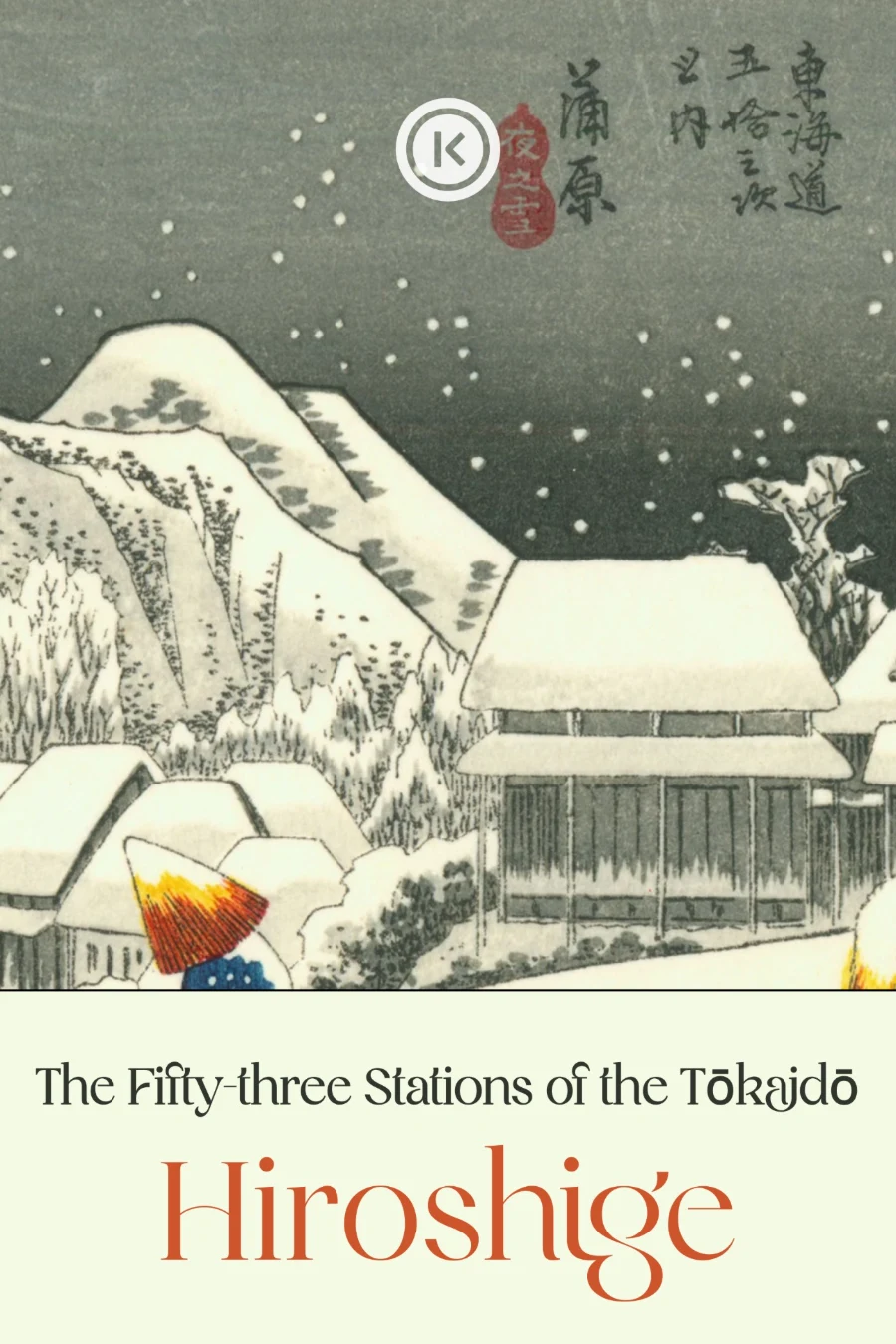
The Fifty-three Stations of the Tōkaidō
36 min
7,118 words
en
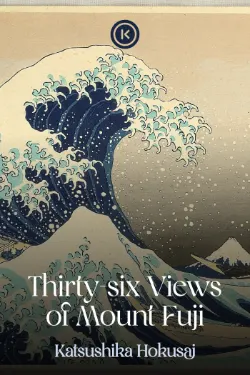
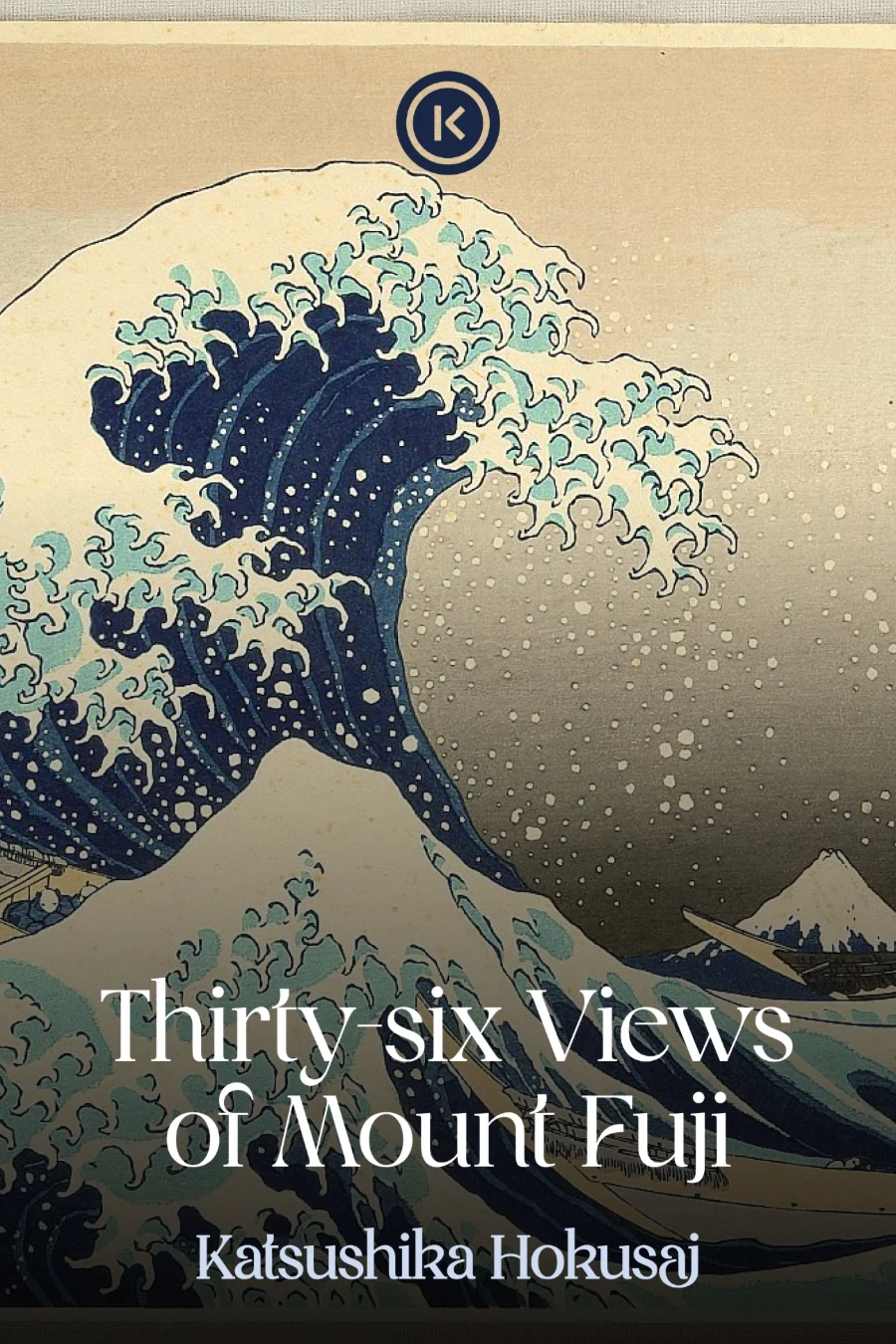
Fifty-one woodblock prints from Utagawa Hiroshige's Fifty-three Stations of the Tōkaidō — the celebrated series depicting the post stations along Japan's most important highway, connecting Edo (modern Tokyo) to Kyoto. Published by the Hoeido firm in 1833-34 after Hiroshige traveled the road himself, these prints transformed Japanese landscape art and became one of the best-selling print series in history. Each station captures a specific mood of weather, season, light, and human activity: driving rain hammers travelers at Shōno; deep snow buries the village of Kanbara in silence; morning mist rises from the marshes at Mishima; a ferry crosses the moonlit waters at Arai. The prints are a visual journey — 500 kilometers of Japanese landscape compressed into sheets of mulberry paper, each one a meditation on the transience of weather and the persistence of human effort. Hiroshige's influence on Western art was immense and immediate: Van Gogh copied his prints; Monet hung them in his dining room at Giverny; Whistler absorbed their radical compositional ideas. Together with Hokusai's Thirty-six Views of Mount Fuji, already in this collection, the Tōkaidō series represents the pinnacle of the ukiyo-e landscape tradition — art that dissolves the boundary between observation and poetry.
PublisherKafka, Kafka Originals
LanguageEnglish
Source
Wikimedia Commons