The Divine Comedy: Illustrations
5 min
928 words
en
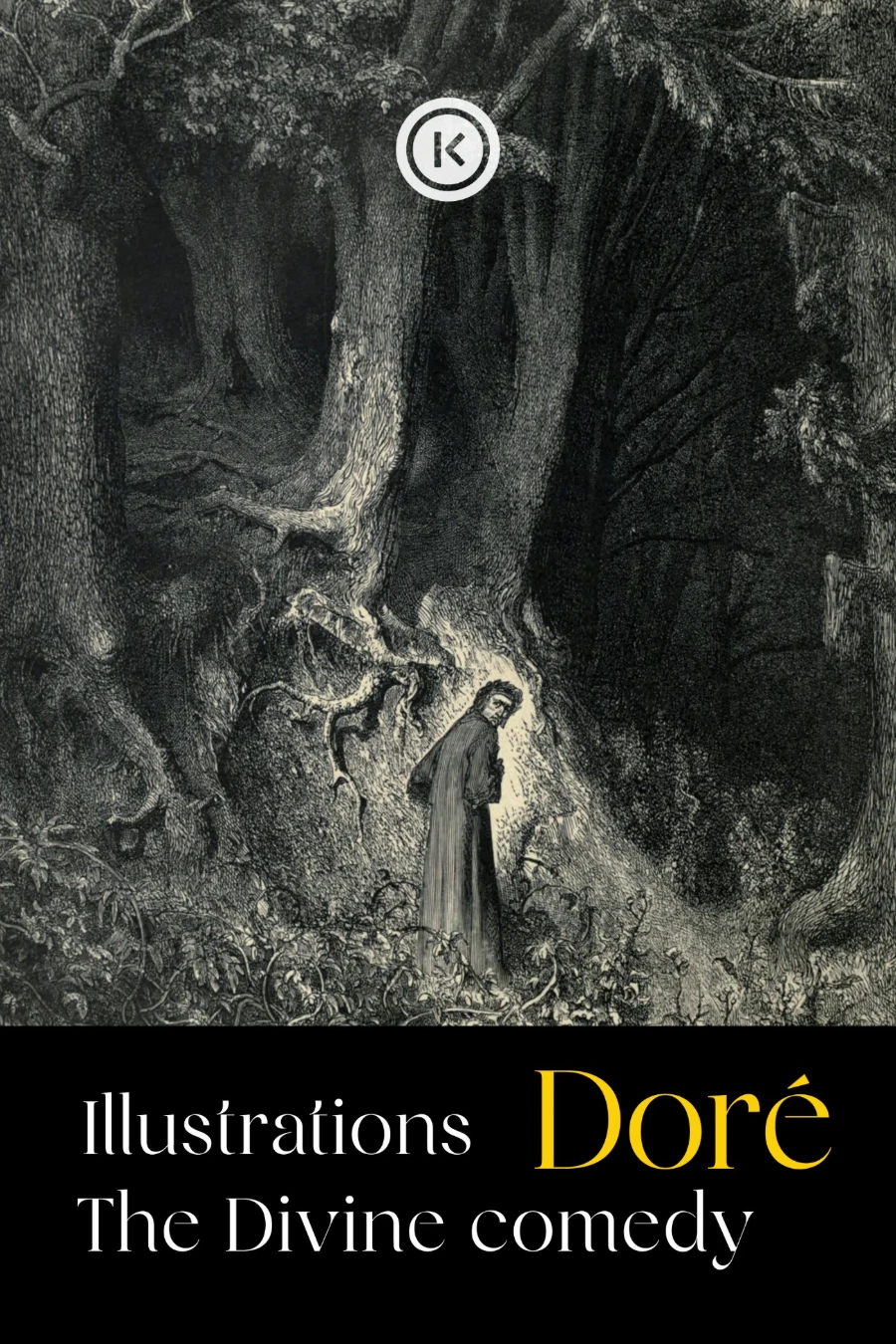
Gustave Doré's wood engravings for Dante's Divine Comedy — the illustrations that defined how the Western world visualizes the Inferno, Purgatorio, and Paradiso. Published in 1857 (Inferno) and 1868 (Purgatorio and Paradiso), these engravings deploy dramatic chiaroscuro — beams of light cutting through absolute darkness — to create scenes of cinematic intensity decades before cinema existed. Doré, the most famous illustrator of the 19th century, worked in pen and wash; teams of expert engravers translated his drawings onto woodblocks. The results are among the most reproduced images in the history of book illustration: Charon ferrying the damned across the Styx, Paolo and Francesca whirling in the winds of the Second Circle, the frozen lake of Cocytus, the celestial rose of Paradise. Doré's influence extends far beyond Dante — his dramatic compositions and lighting prefigure film noir, gothic horror, and every dark fantasy illustration that followed.
PublisherKafka, Kafka Originals
LanguageEnglish
Source
Wikimedia Commons