Notebooks

Notebooks

Leonardo da Vinci

7 min
1,342 words
en

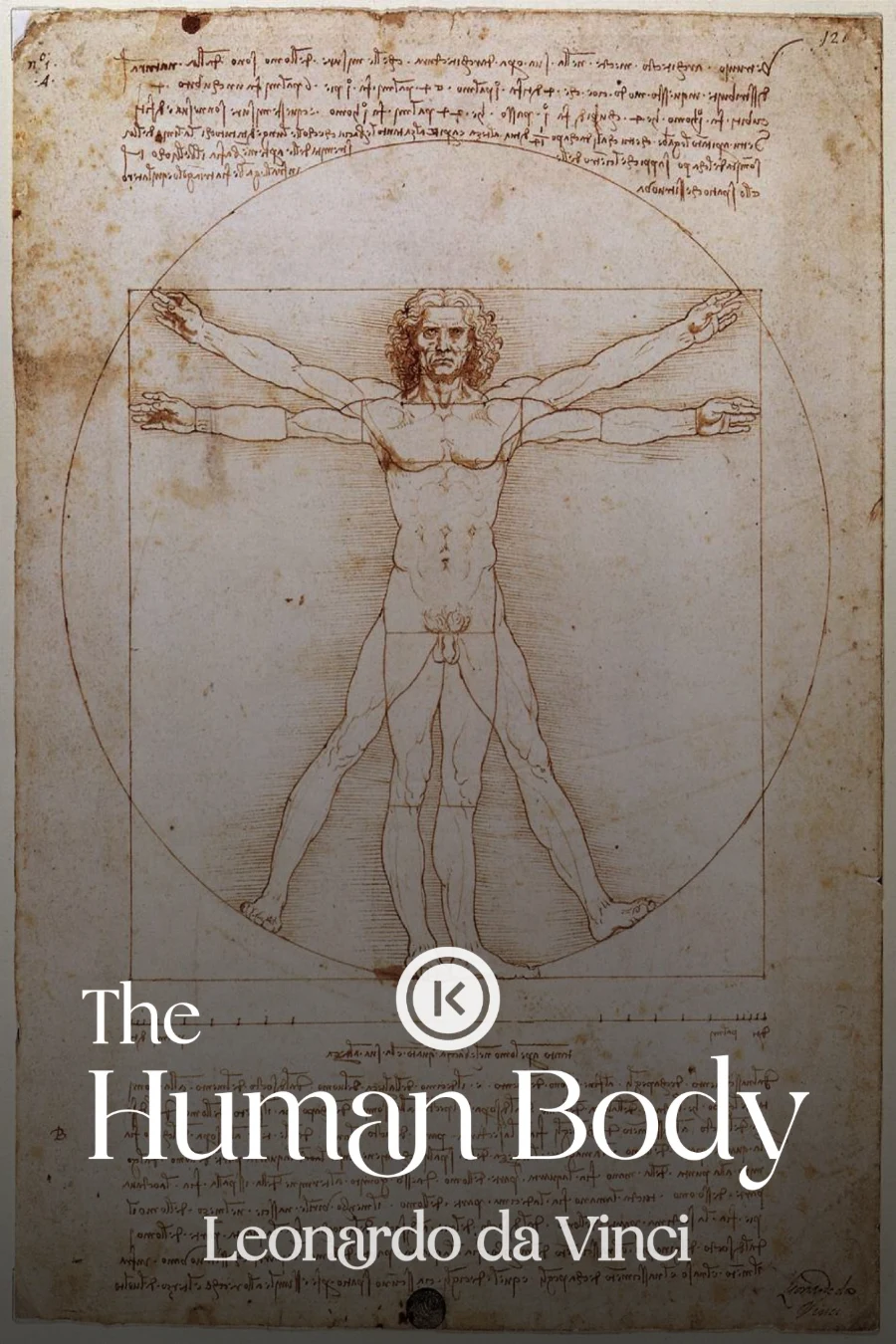
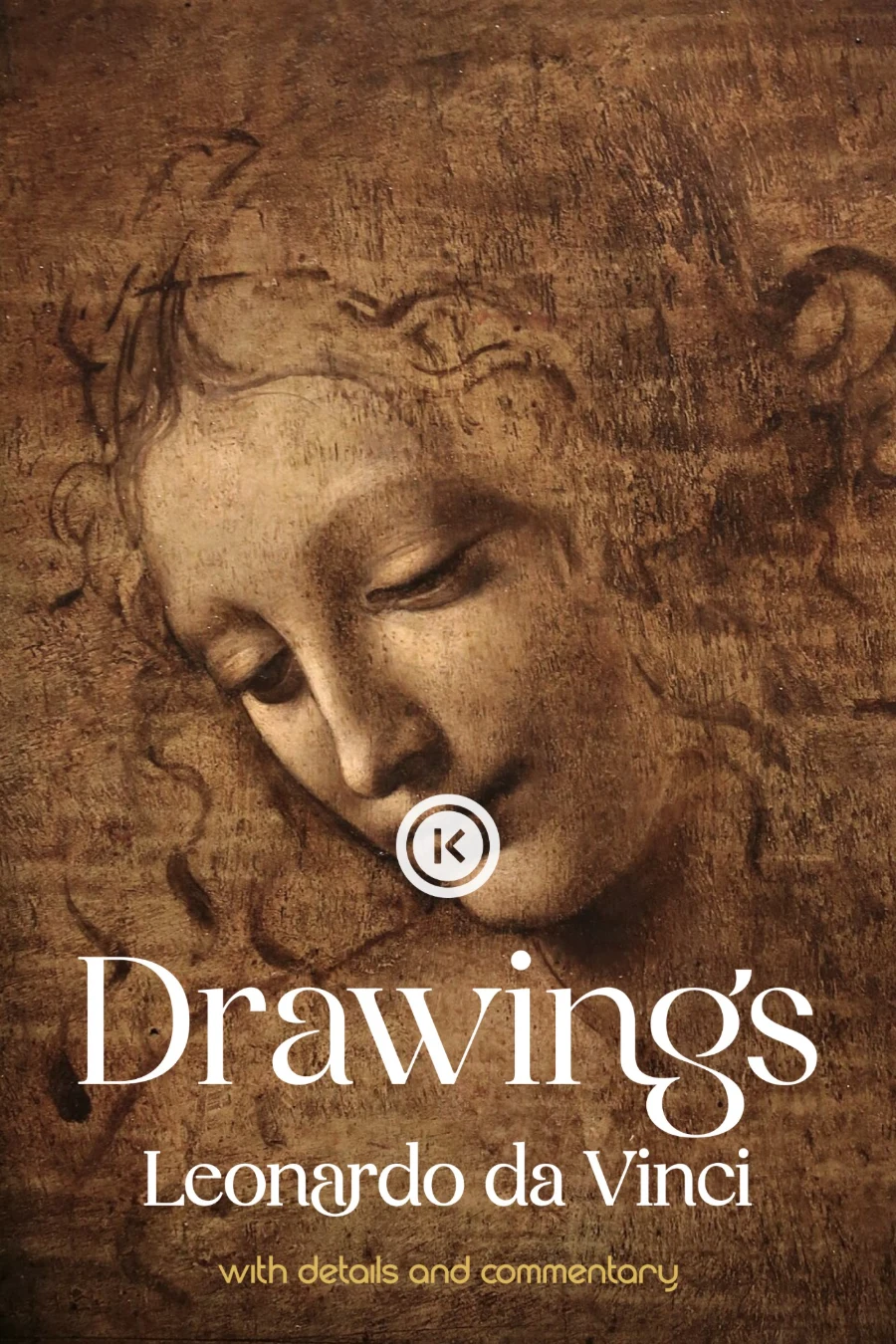
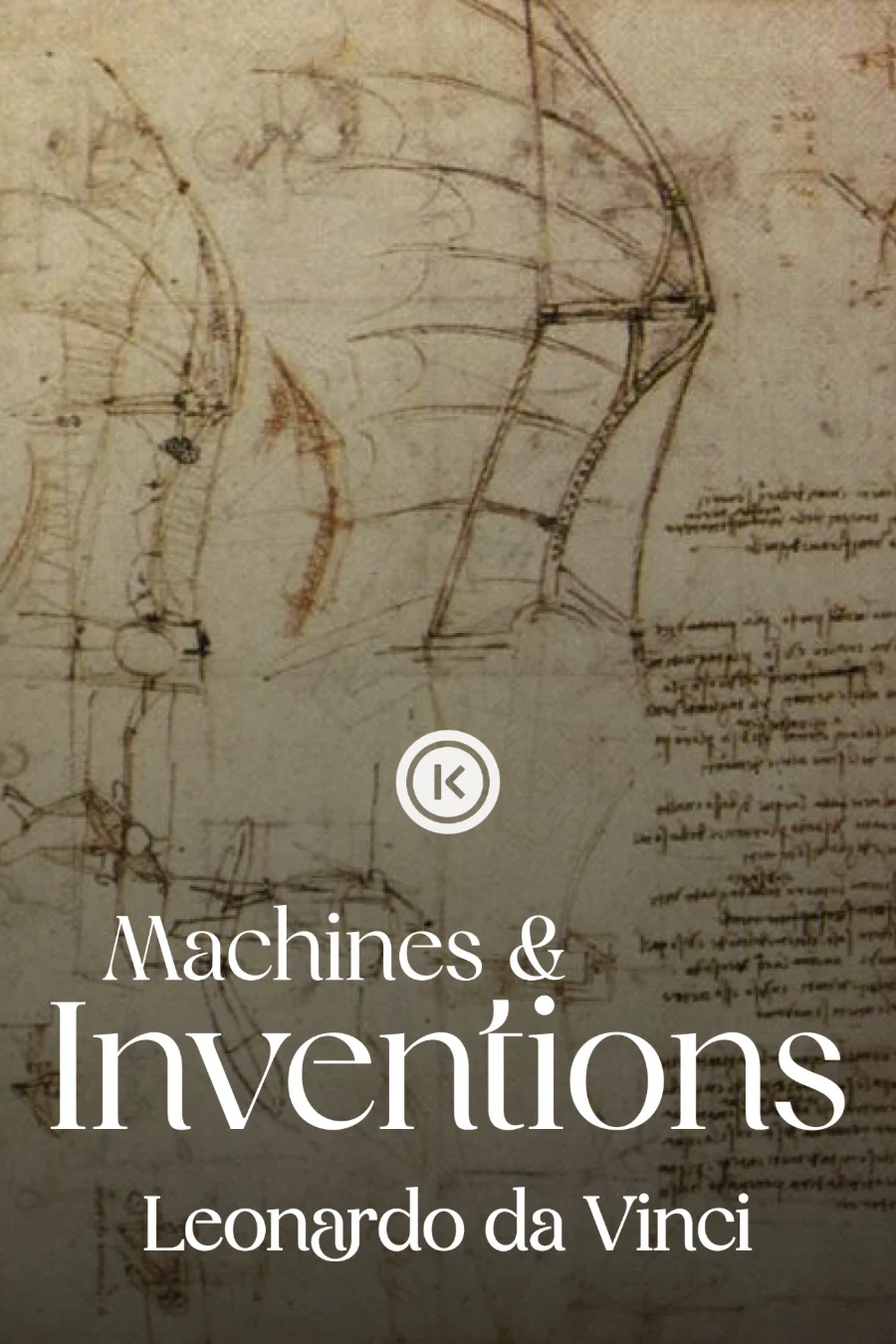
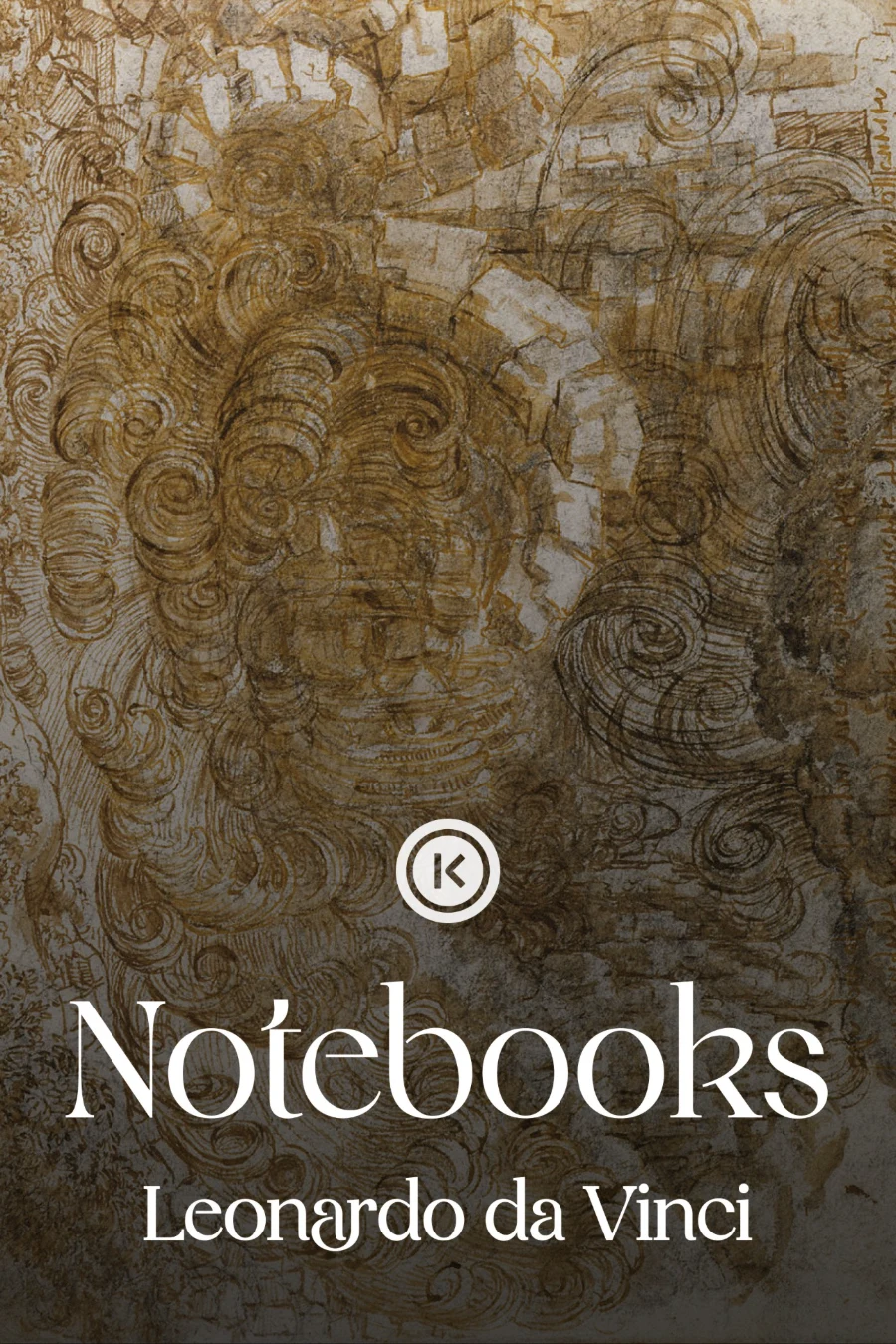
What happens when one of history's most restless minds commits his daily observations, inventions, and obsessions to paper? These pages offer an unfiltered glimpse into the Renaissance workshop of a man who refused to accept boundaries between art, science, engineering, and natural philosophy. Here we find anatomical studies alongside designs for flying machines, optical theories nestled next to recipes for paint, mirror-written musings on water's movement beside sketches of drapery folds. The collection emerged from Leonardo's personal working documents—not meant for publication, but rather serving as his external memory, laboratory, and philosophical companion across decades of inquiry.

The texture of these writings is fragmentary, urgent, and profoundly visual. Leonardo thinks through drawing as much as through words, and the two modes constantly interrupt and illuminate each other. His voice moves from lyrical observations of light filtering through leaves to terse technical instructions for constructing fortifications, from bitter complaints about patrons to tender descriptions of bird flight. The mirror script itself creates an intimacy—you sense the left-handed slant of his pen, the privacy of thought not yet hardened into formal treatise. What emerges is not systematic philosophy but something stranger: a mind perpetually in motion, doubling back on itself, abandoning one investigation for another, yet returning obsessively to certain problems across years.

This work endures because it reveals genius not as finished monument but as restless process. It rewards readers who approach it as an encounter with a living intelligence rather than a textbook, who can appreciate the leaps between subjects as expressions of Leonardo's conviction that all knowledge forms a unified whole. Those drawn to the history of ideas, the creative process in its rawest form, or simply the texture of one remarkable consciousness will find in these notebooks something irreplaceable: the Renaissance mind thinking aloud, in real time, without pretense or polish.

PublisherKafka Originals, Kafka
LanguageEnglish
Source
Wikimedia CommonsBiblioteca AmbrosianaRoyal Collection TrustInstitut de France