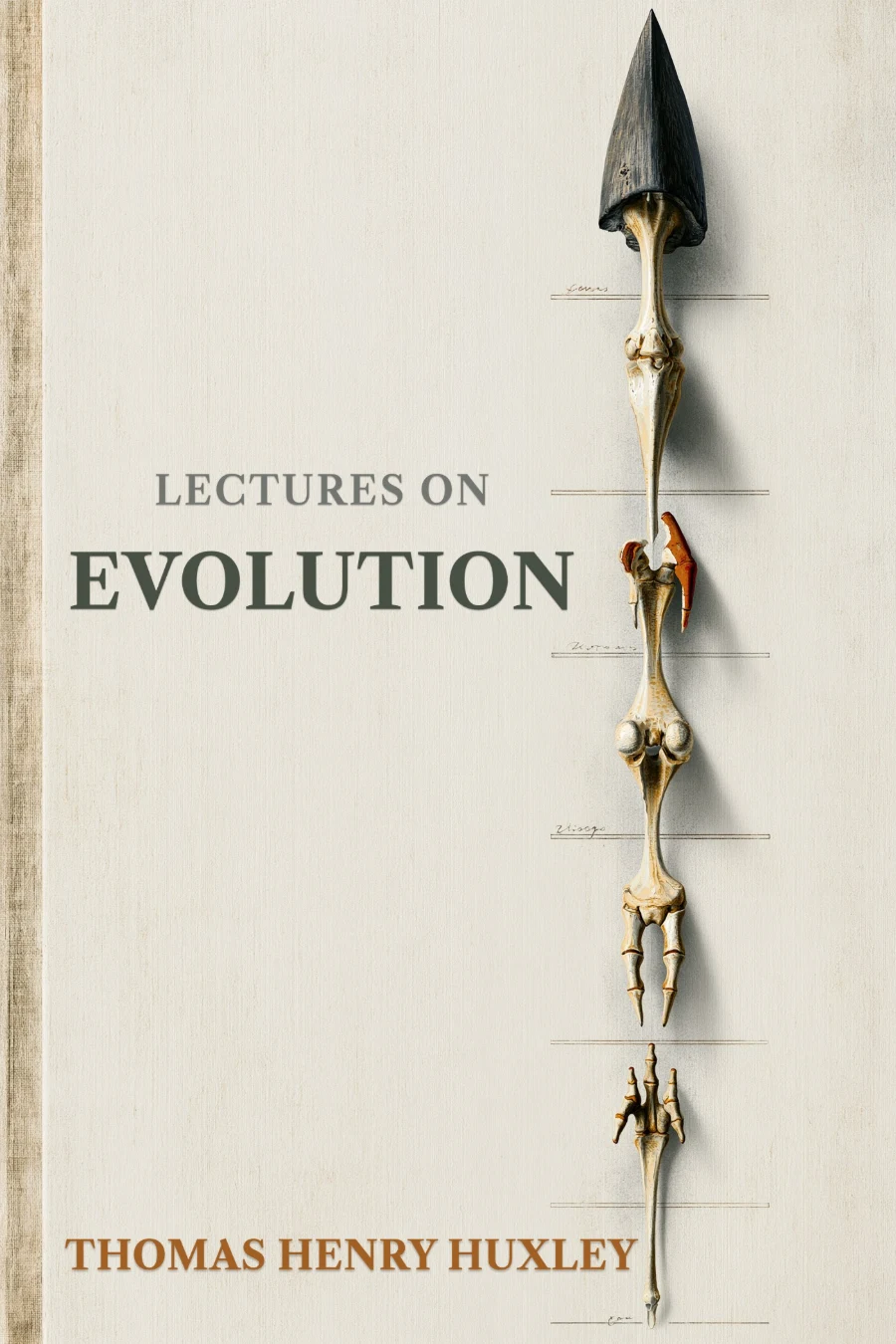
Lectures on Evolution
1h 43m
20,567 words
en
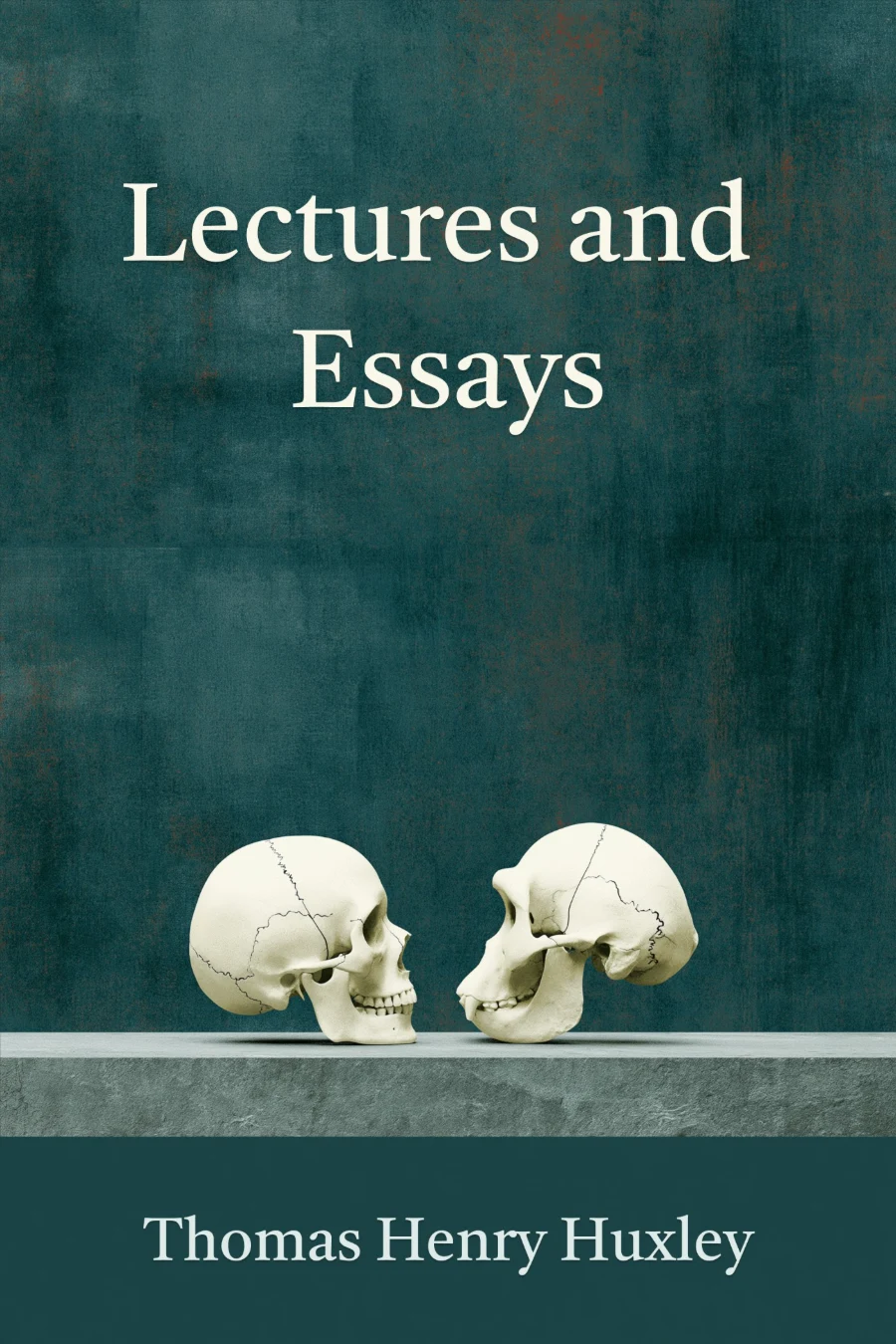
In the middle of the nineteenth century, the Victorian public faced a radical shift in how they understood the origins of life. To defend a controversial new biology, an anatomist took the public stage to strip away theological orthodoxies and lay out the mechanics of a universe governed by "the constancy of the order of Nature."
Across three addresses, Thomas Henry Huxley systematically dismantles competing explanations of natural history. He outlines three possible hypotheses for the origins of the world, weighs the neutral and favorable evidence for evolution, and mounts a case for its demonstrative proof. Along the way, he frames humanity not as the center of creation, but as a mere "thinking reed" laboring to chart the "shifting scenes of the phantasmagoria of Nature."
Delivered during a period of intense ideological conflict, these lectures document the secular rationalism and polemical rhetoric that helped secure Darwinism's place in modern science.