Why I am atheist?
30 min
5,952 words
en
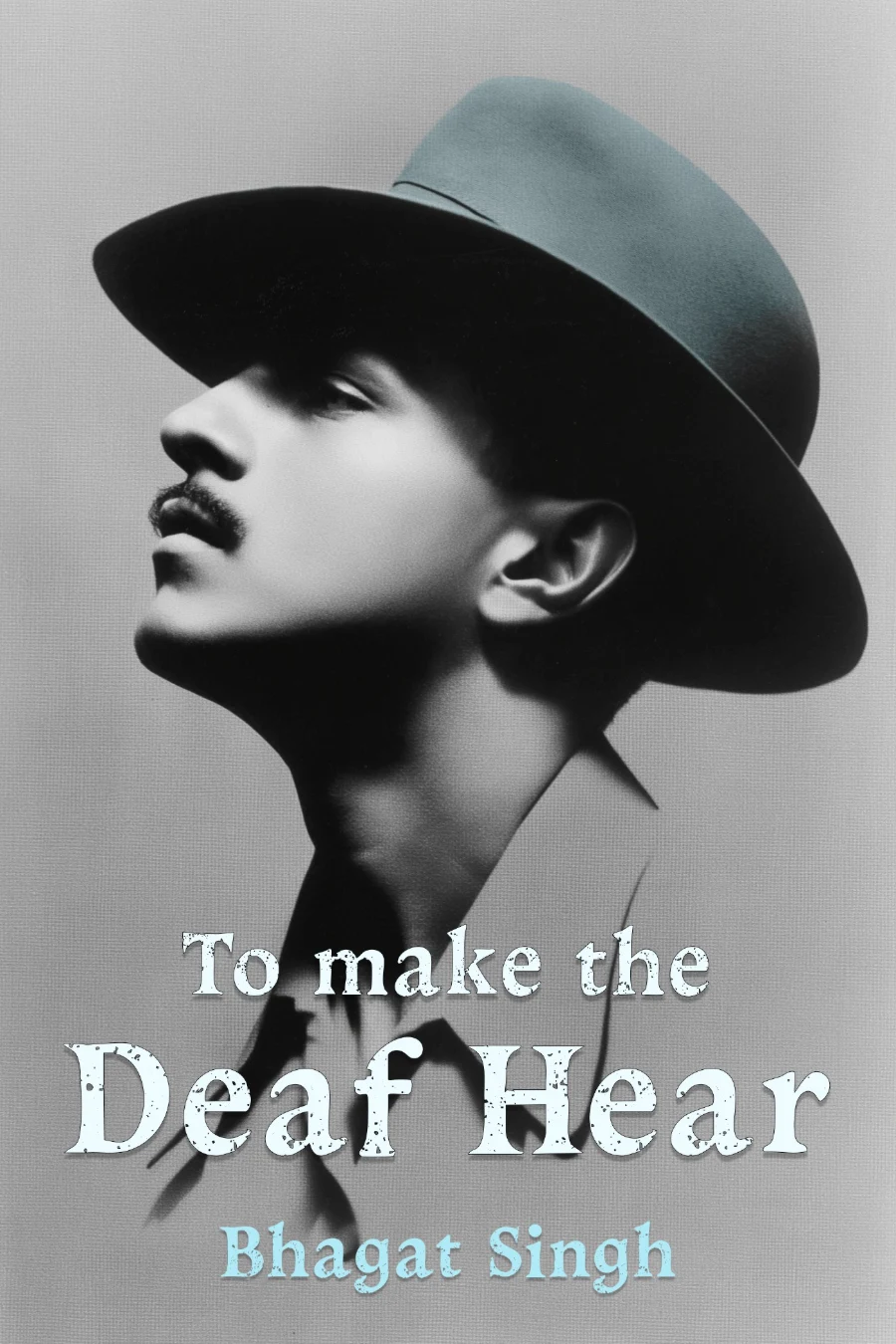
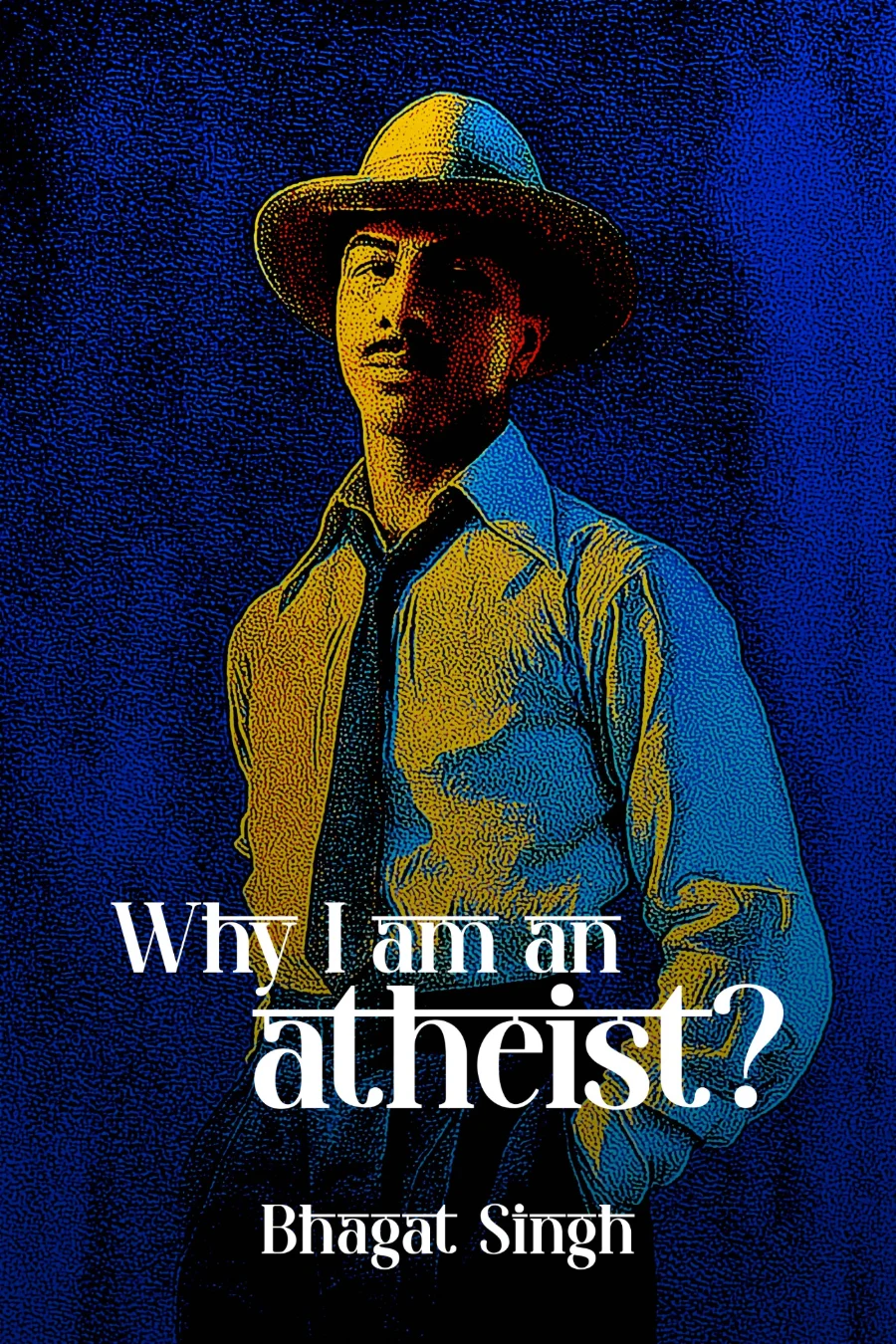
Why I Am an Atheist is a profound philosophical essay written by Bhagat Singh in 1930 while he was imprisoned in Lahore Central Jail, awaiting execution by the British colonial government. At just 23 years old, the revolutionary freedom fighter penned this work in response to criticism from fellow prisoners and religious critics who questioned how someone fighting for a noble cause could reject belief in God. The essay traces Singh's intellectual journey from a religious Sikh upbringing to atheism, explaining how his experiences with suffering, injustice, and his study of revolutionary literature led him to question the existence of the divine. He argues that belief in God is a human weakness born from fear and ignorance, and that true revolutionaries must rely on reason, science, and human effort rather than supernatural intervention to transform society.
The essay explores profound themes of rationalism, humanism, and the relationship between religion and social change. Singh challenges the notion that atheism equals immorality, asserting instead that his rejection of God stems from a deeper commitment to truth and human dignity. He critiques how religious belief can promote fatalism and acceptance of oppression, arguing that it was precisely his atheism that strengthened his resolve to fight injustice without fear of death or hope for divine reward. The work holds immense historical significance, as it reveals the philosophical depth of India's independence movement, extending beyond mere political struggle. It demonstrates that leaders like Bhagat Singh were influenced by Marxist thought, scientific rationalism, and humanist values. It remains a powerful testament to intellectual courage. It continues to inspire debates about faith, reason, and the role of religion in society, particularly in South Asia, where Bhagat Singh is revered as a martyr and symbol of resistance against oppression.
Non-FictionPhilosophyReligionAtheismRevolutionary Literature20th CenturyColonial India1930sSecularismRationalismMarxismAnti-imperialismFreedom StruggleBiographyEssays
PublisherKafka
LanguageEnglish
Copyright (c) Bhagat Singh