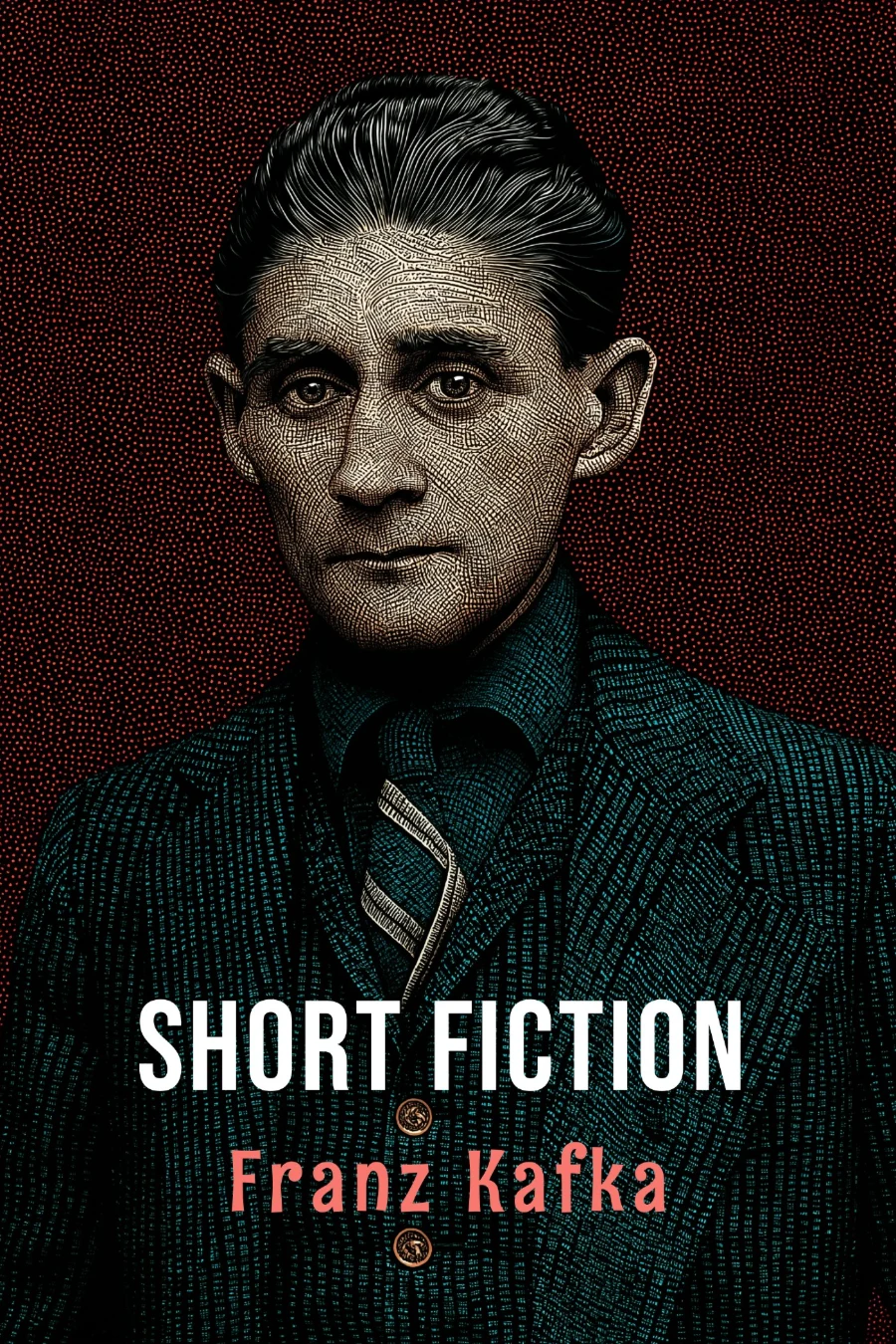
Short Fiction
Translated by Ian Johnston
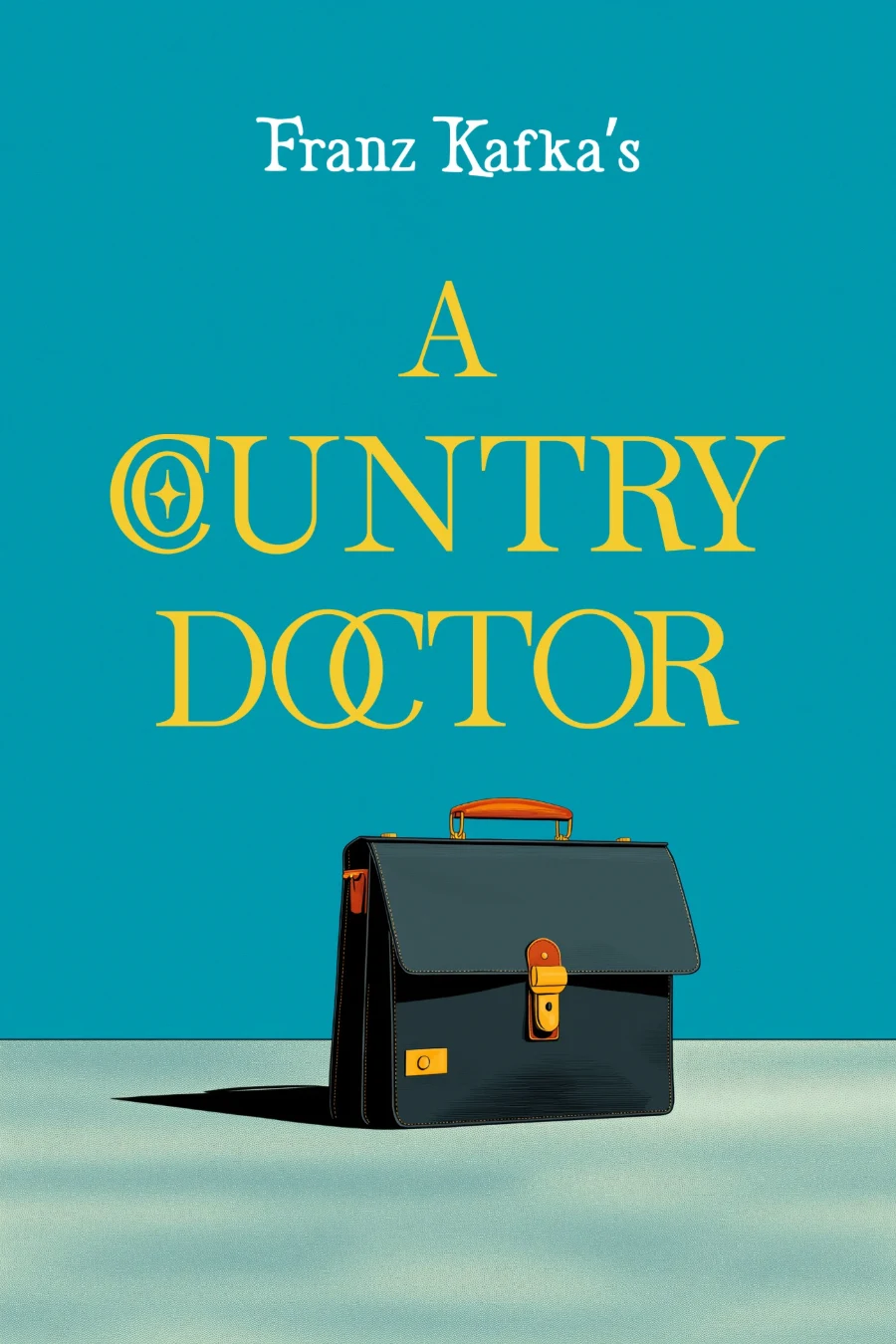
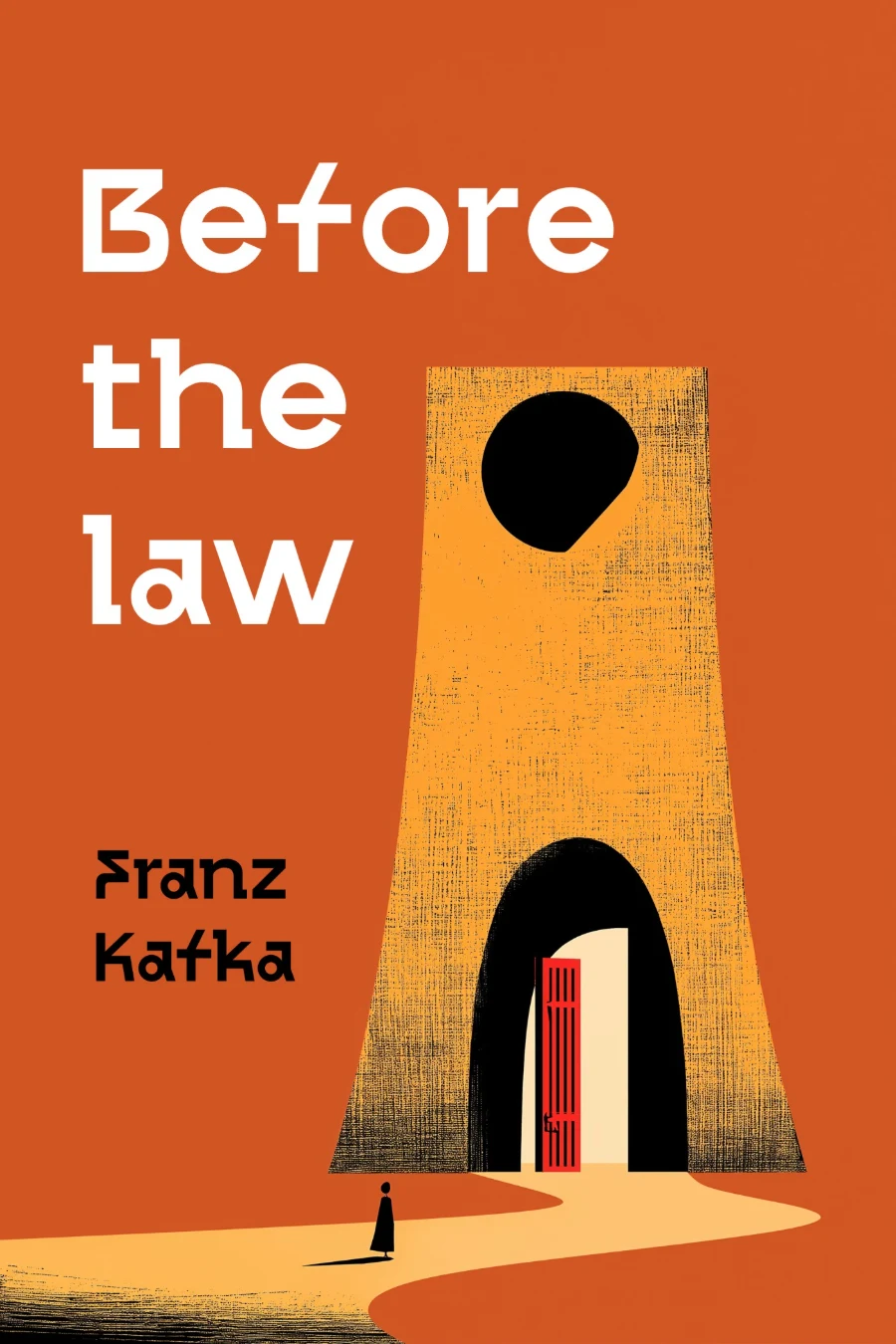
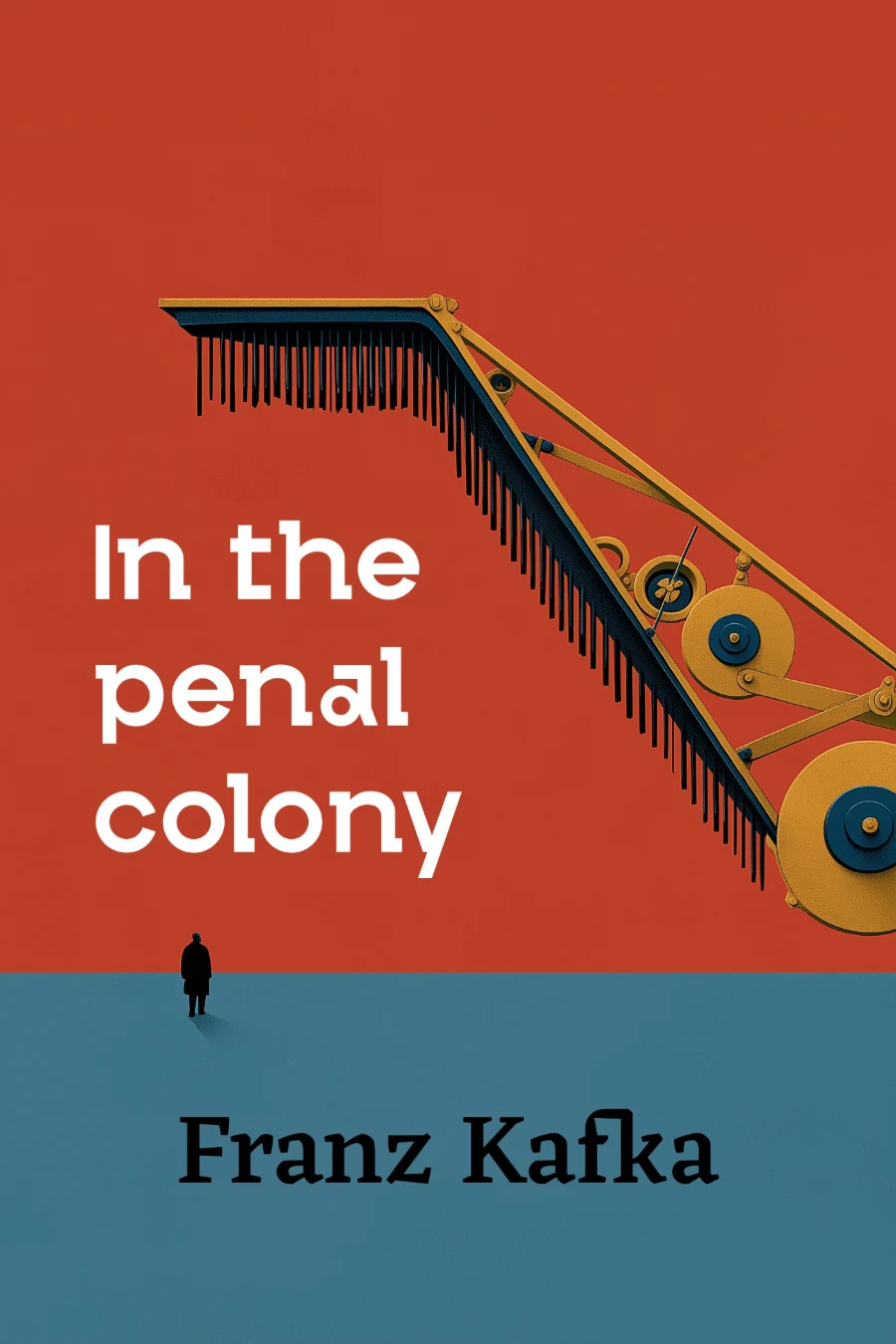
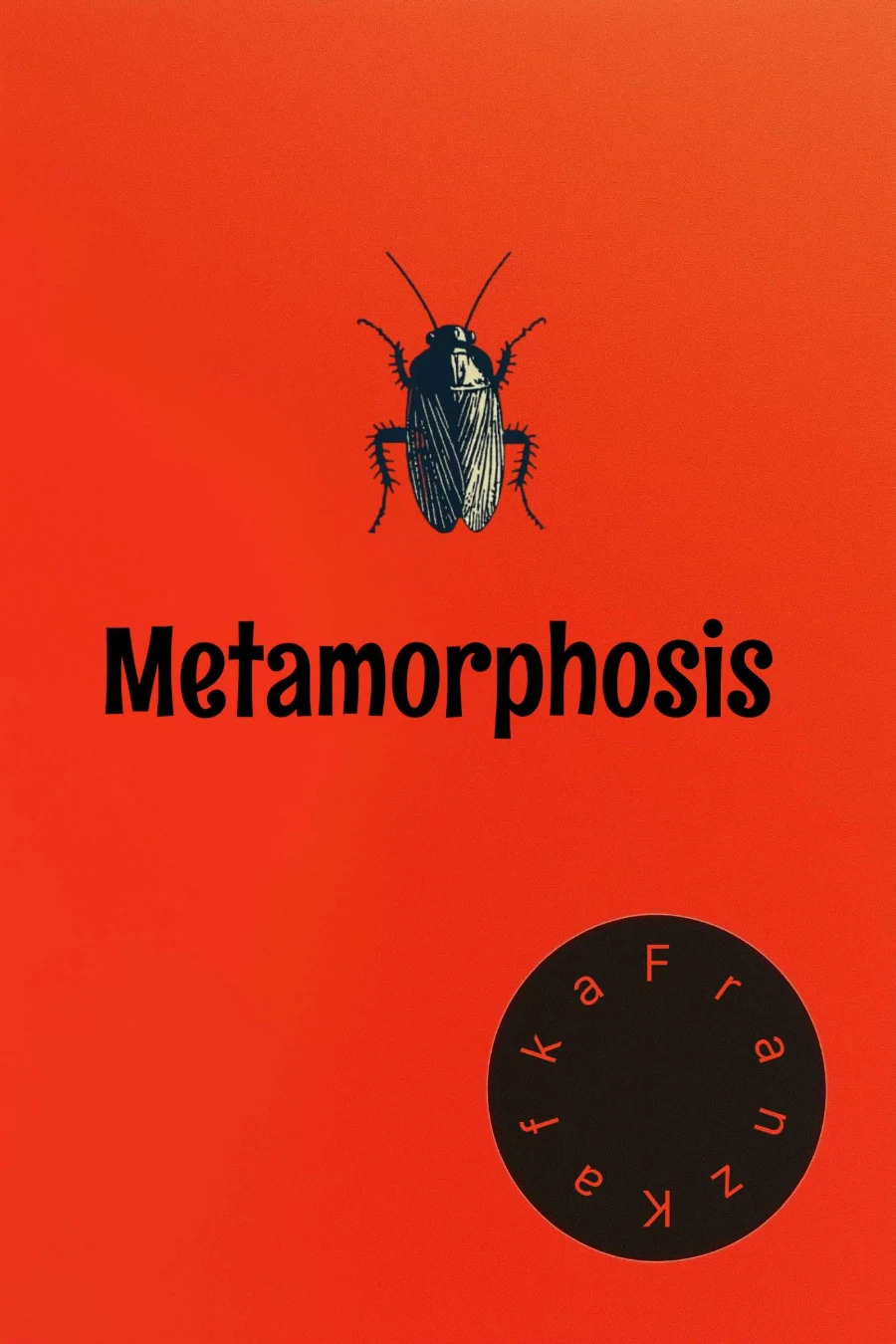
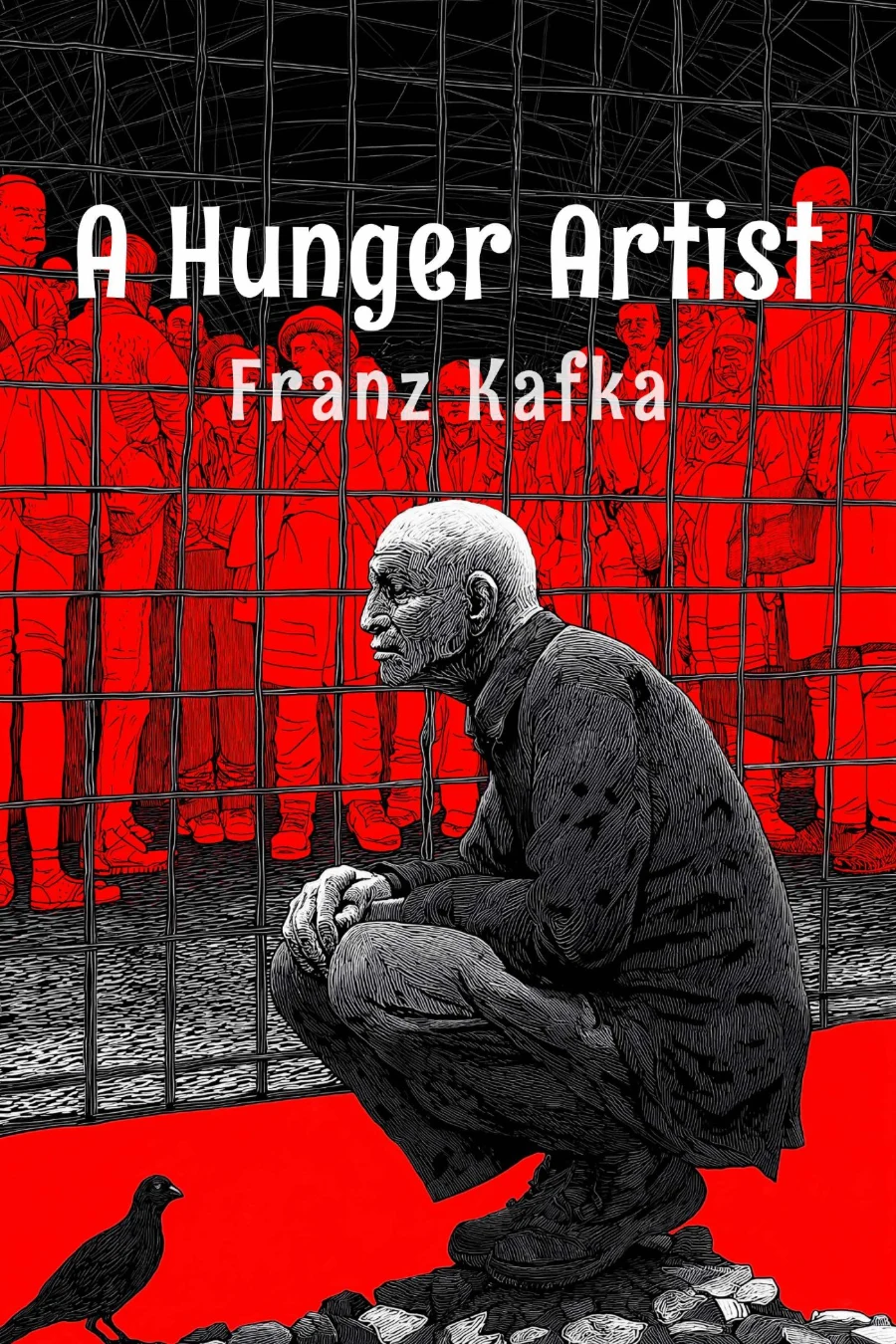
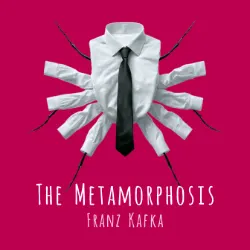
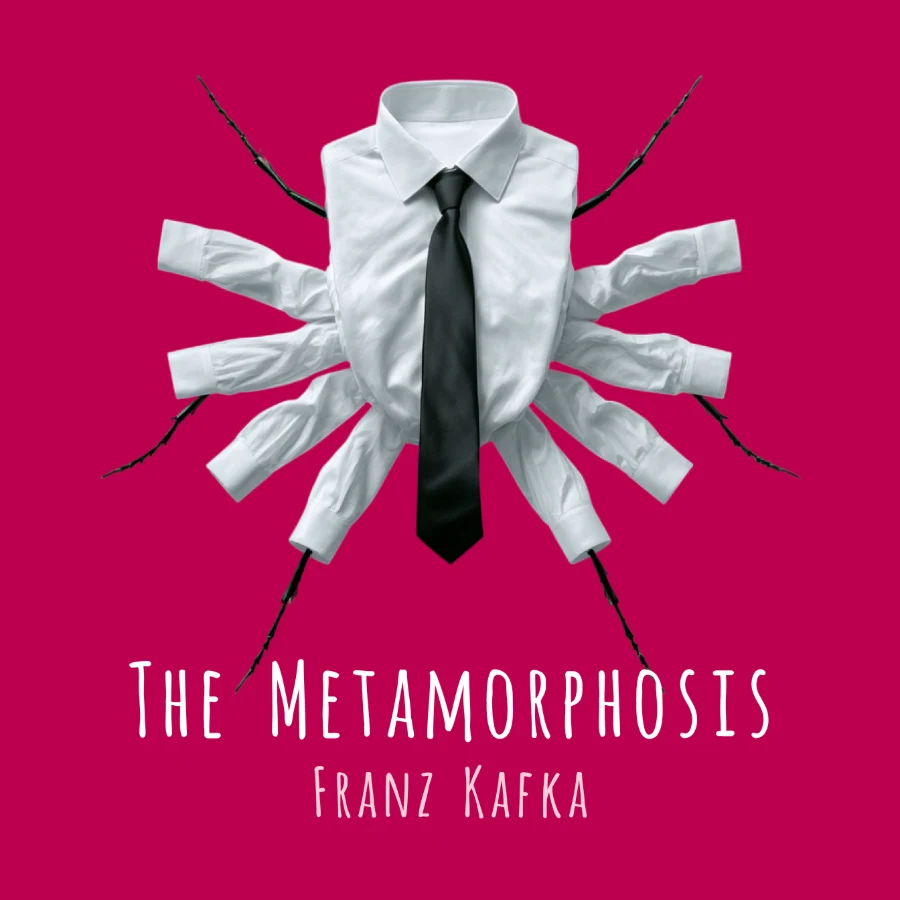
Franz Kafka's short fiction represents some of the most influential and enigmatic works in twentieth-century literature. This collection typically includes masterpieces such as "The Metamorphosis," where a traveling salesman named Gregor Samsa awakens to find himself transformed into a monstrous insect, as well as "In the Penal Colony," a disturbing tale of a torture device that inscribes sentences onto prisoners' bodies, "A Hunger Artist," about a professional faster who performs for increasingly disinterested audiences, and "The Judgment," a psychologically intense story of a son's conflict with his father that ends in suicide. Other frequently included works are "A Country Doctor," "The Burrow," and various parables like "Before the Law." Each story presents surreal, nightmarish scenarios rendered in precise, almost bureaucratic prose that creates an unsettling contrast between style and content.
The central themes running throughout Kafka's short fiction include alienation, guilt, the absurdity of bureaucracy, the impossibility of understanding authority, and the fundamental isolation of human existence. His characters typically find themselves trapped in incomprehensible situations where logic fails and communication breaks down. The famous term "Kafkaesque" has entered common usage to describe situations that are nightmarishly complex, illogical, and impersonal—a testament to how thoroughly Kafka captured certain anxieties of modern life. His work explores the relationship between individuals and power structures, the search for meaning in an indifferent universe, and the ways familial and social obligations can become oppressive and dehumanizing.

Kafka's short fiction holds immense historical and literary significance as a bridge between nineteenth-century realism and twentieth-century modernism and existentialism. Though he published little during his lifetime and requested that his unpublished works be destroyed upon his death, his friend Max Brod defied these wishes, recognizing the genius in these manuscripts. Kafka's influence extends far beyond literature into psychology, philosophy, film, and popular culture. His work prefigured the totalitarian nightmares of the mid-twentieth century and gave artistic expression to the anxieties of modern bureaucratic society. Writers from Albert Camus to Gabriel García Márquez have acknowledged his influence, and his exploration of absurdity, anxiety, and powerlessness continues to resonate with readers facing the complexities and alienation of contemporary life.