The Rime of the Ancient Mariner
20 min
3,843 words
en
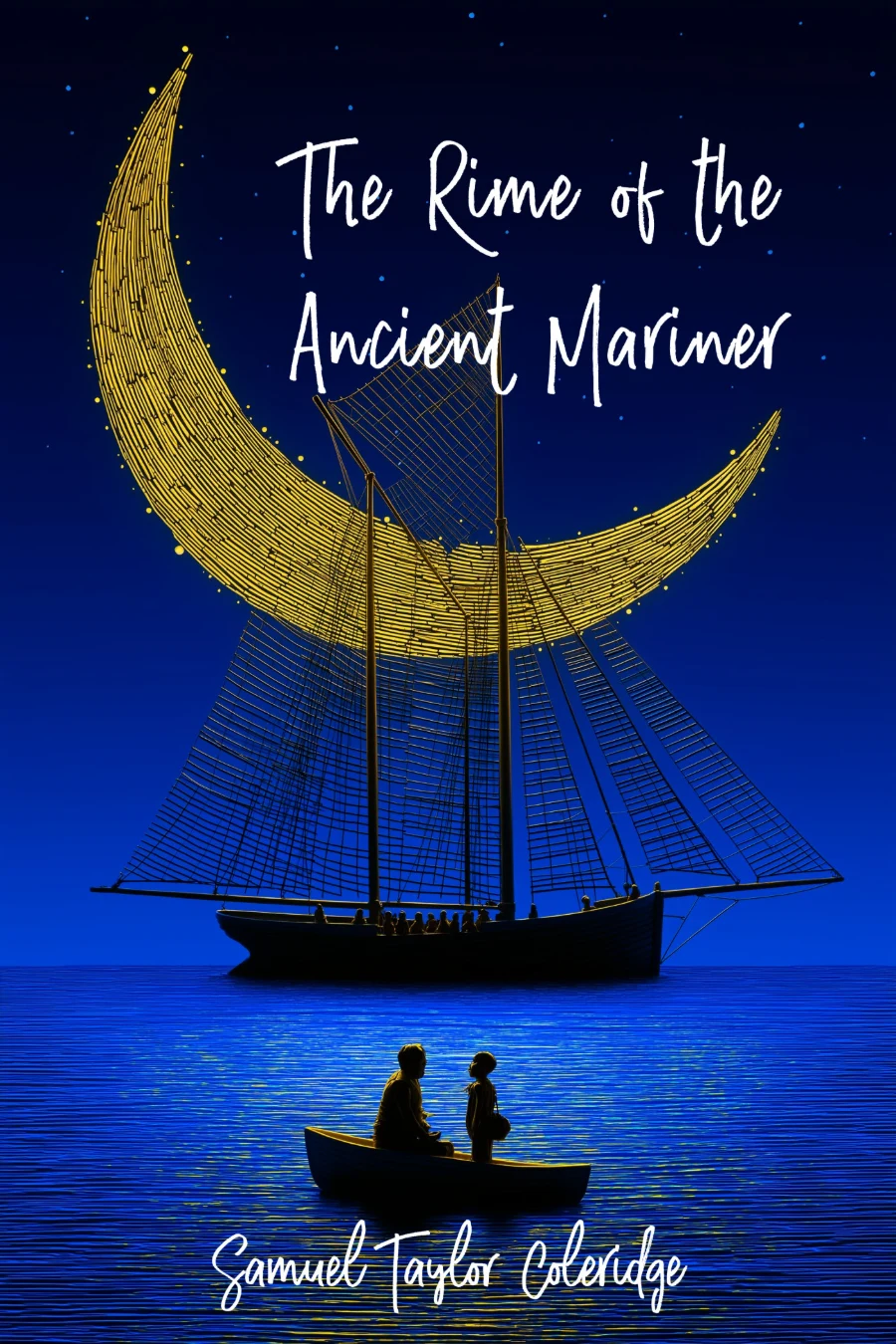
Outside a bridal hall, an ancient man with a "glittering eye" stops a hurrying guest. Though the doors are open and the feast is set, the Wedding-Guest is paralyzed by the stranger's gaze. He sits on a stone and listens as the Mariner begins to speak. The tale starts with a ship clearing the harbor, dropping below the kirk and the lighthouse, before a sudden storm-blast strikes with "o’ertaking wings" and drives the vessel south into the ice.
Told in seven parts, Coleridge’s supernatural ballad tracks the consequences of a single crime at sea. When the Mariner shoots an albatross, the wind drops and his ship is stranded under a blistering sun. The ocean begins to rot, strange fires burn in the night, and the Mariner is cursed to survive the ruin of his crew, condemned to wander the earth repeating his confession to anyone who will listen.
First published in *Lyrical Ballads* (1798), the poem helped launch the English Romantic movement and established the dead albatross as a permanent symbol of guilt.