Raja Yoga
4h 51m
58,129 words
en
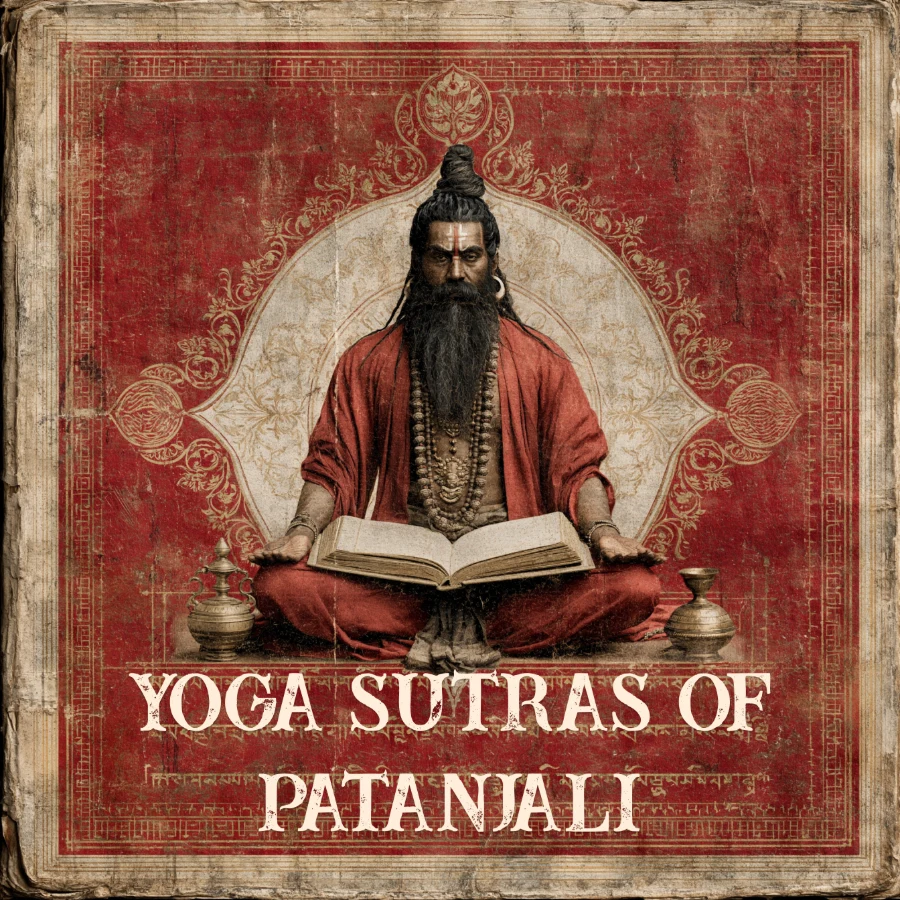
*Raja-Yoga*, first published in 1896, did more to introduce the Indian science of meditation to the West than any other single book. The first half is Vivekananda's New York lectures on the eight limbs of yoga, prana, and concentration; the second half is his translation of the *Yoga Aphorisms* of Patanjali — the four-chapter classical text that defines yoga as the cessation of mental fluctuations — accompanied by his own commentary. The combination has been continuously in print for over a century and remains the standard popular gateway to Patanjali in English.
YogaVedantaHindu PhilosophyPatanjaliMeditationIndian PhilosophyEssaysSpiritualityReligionVivekananda LecturesMysticismEight Limbs of YogaLate Nineteenth-century ReligionRaja Yoga
LanguageEnglish
Source