Lesley Castle
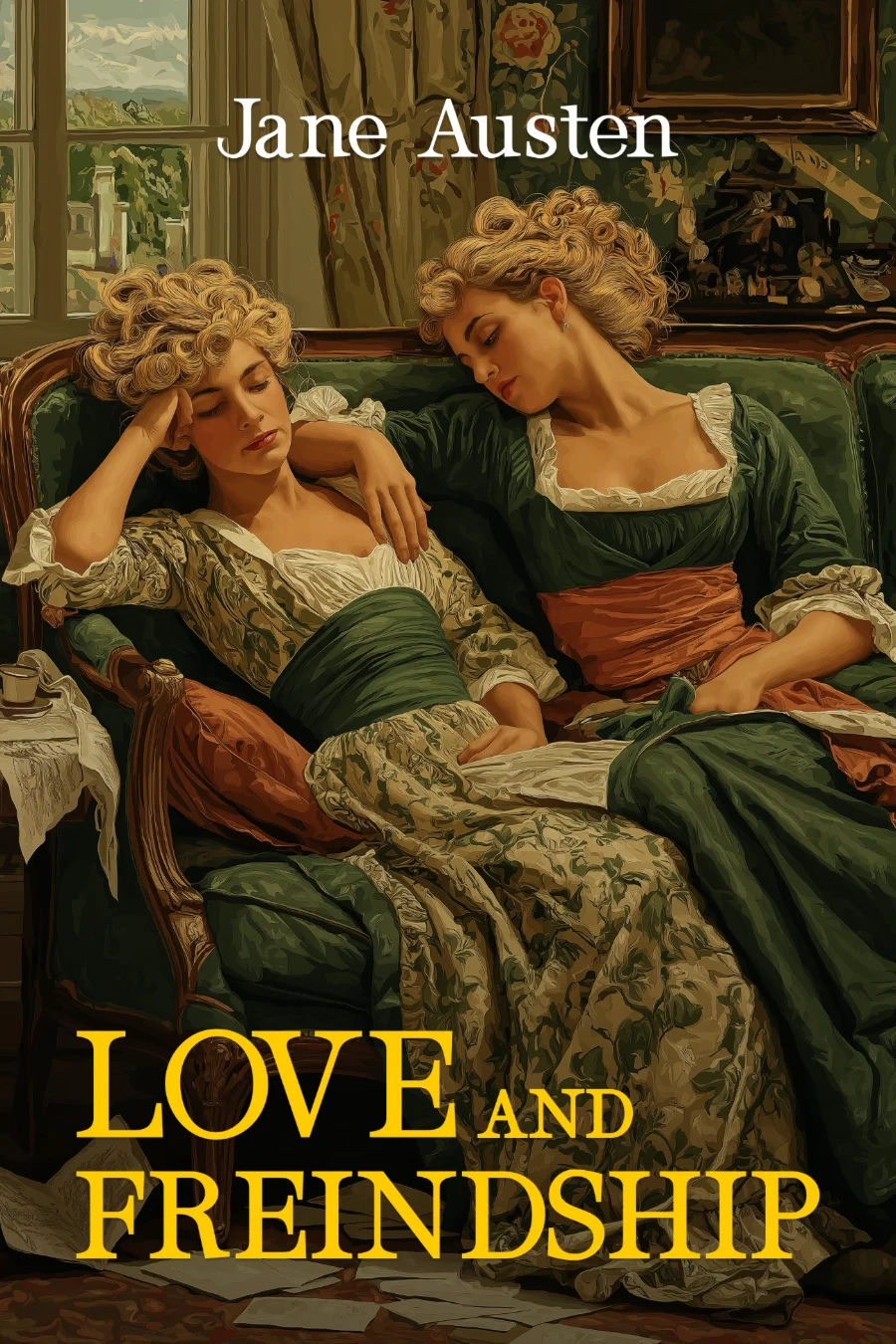
In the drawing rooms of two English country houses, young women conduct their lives through a flurry of correspondence that reveals far more than they intend. Margaret Lesley writes to her friend Charlotte Lutterell with breathless updates about her beautiful sister Eloisa's romantic disappointments, while Charlotte responds with wry observations about her own household's preoccupations—particularly her new stepmother's obsessive attention to culinary matters and seeming indifference to more pressing family concerns. Through these letters, we witness the daily negotiations of provincial life: the social embarrassments, the petty grievances, and the emotional turbulence that can erupt over a wedding postponed or a dinner improperly prepared.
What distinguishes this early epistolary experiment is Austen's already keen eye for the comedy of self-absorption. Margaret breathlessly chronicles her sister's theatrical suffering while remaining oblivious to her own lack of sympathy; Charlotte tartly catalogs her stepmother's elaborate meal preparations with a precision that borders on obsession itself. The fragment captures Austen in her teenage years, sketching character through voice with remarkable assurance—each correspondent reveals herself not through direct confession but through the details she chooses to emphasize and those she conveniently overlooks. The satirical edge is sharp, the social observation precise, even as the work remains unfinished and somewhat rough around its edges.
This brief, incomplete work rewards readers interested in witnessing a great novelist's apprenticeship. It offers a glimpse of Austen developing the techniques she would later perfect: the use of limited perspective to create dramatic irony, the portrait of characters who never quite see themselves clearly, and the ability to find both comedy and pathos in the ordinary frustrations of domestic life. Those who delight in Austen's more caustic moments will find much to savor here.