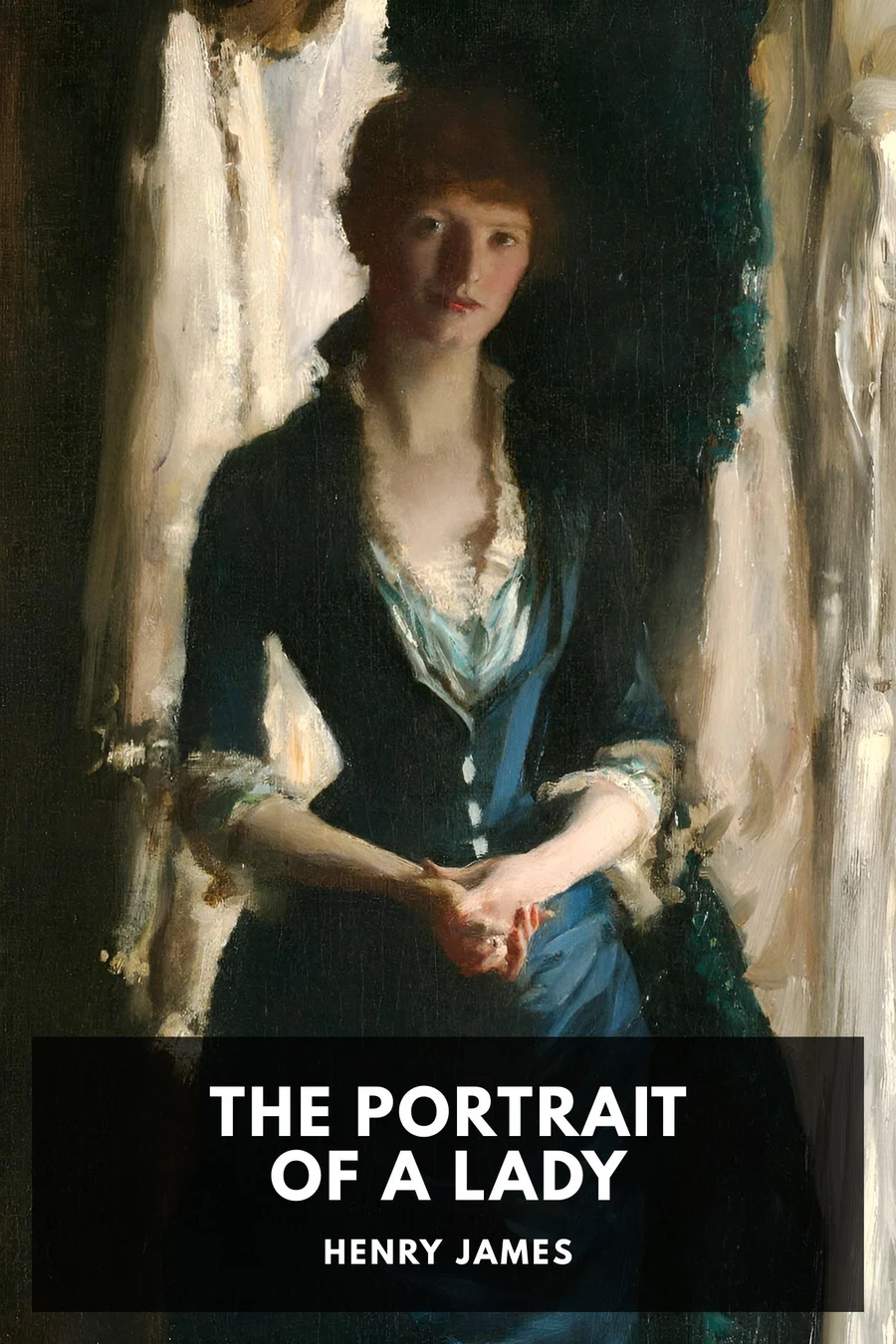
The Portrait of a Lady
19h 16m
231,036 words
en
The Portrait of a Lady is widely held to be the outstanding work of Henry James’s “early” period, and among the finest novels of his entire career. When the eccentric Mrs. Touchett “takes up” her charming American niece, Isabel Archer, and returns with her to England, her husband and son, the invalid Ralph, are first mystified, then bemused. Soon, however, they are smitten, as also is their aristocratic neighbor, Lord Warburton. It is not long until a proposal of marriage comes from the English lord, but Isabel is not so quickly conquered. Besides, she has left a rejected suitor back in Boston, an archetypal American industrial magnate, Caspar Goodwood. Through a surprising bequest in Mr. Touchett’s will, Isabel becomes a wealthy heiress. As she travels with her aunt through Europe, Isabel encounters several remarkable figures in the American émigré communities in which Mrs. Touchett has her social circles. She also is led towards a third suitor in Florence, and this encounter proves decisive. The novel took shape as James travelled on the Continent, after having lived in London for some years. That sense of place and displacement suffuses the book, but it remains the backdrop to the main business of the story: the unfolding of relationships around the figure of Isabel Archer. James explains in an illuminating preface how his heroine and her attendant characters took hold of him. His artistic vision was to display Isabel’s character in action, embedded in this web of relations. The Portrait of a Lady is one of the supreme examples of James’s capacity to display how moral imagination and concrete action emerge in character. But along with this, the novel explores the perception and persistence of love, dissects the psychological gradations between magnanimity and malice, and contrasts the energy and ambition of the new world with the allure and ennui of the old. This Standard Ebooks edition follows the New York edition, which incorporates the revisions James made to his text in 1908, almost thirty years after he first wrote it.
Inheritance and successionFictionPsychological FictionLove StoriesFathers and daughtersMarried womenTriangles (Interpersonal relations)ItalyArcher, IsabelUnited States
PublisherStandard Ebooks
LanguageEnglish
CopyrightThe source text and artwork in this ebook are believed to be in the United States public domain; that is, they are believed to be free of copyright restrictions in the United States. They may still be copyrighted in other countries, so users located outside of the United States must check their local laws before using this ebook. The creators of, and contributors to, this ebook dedicate their contributions to the worldwide public domain via the terms in the [CC0 1.0 Universal Public Domain Dedication](https://creativecommons.org/publicdomain/zero/1.0/).