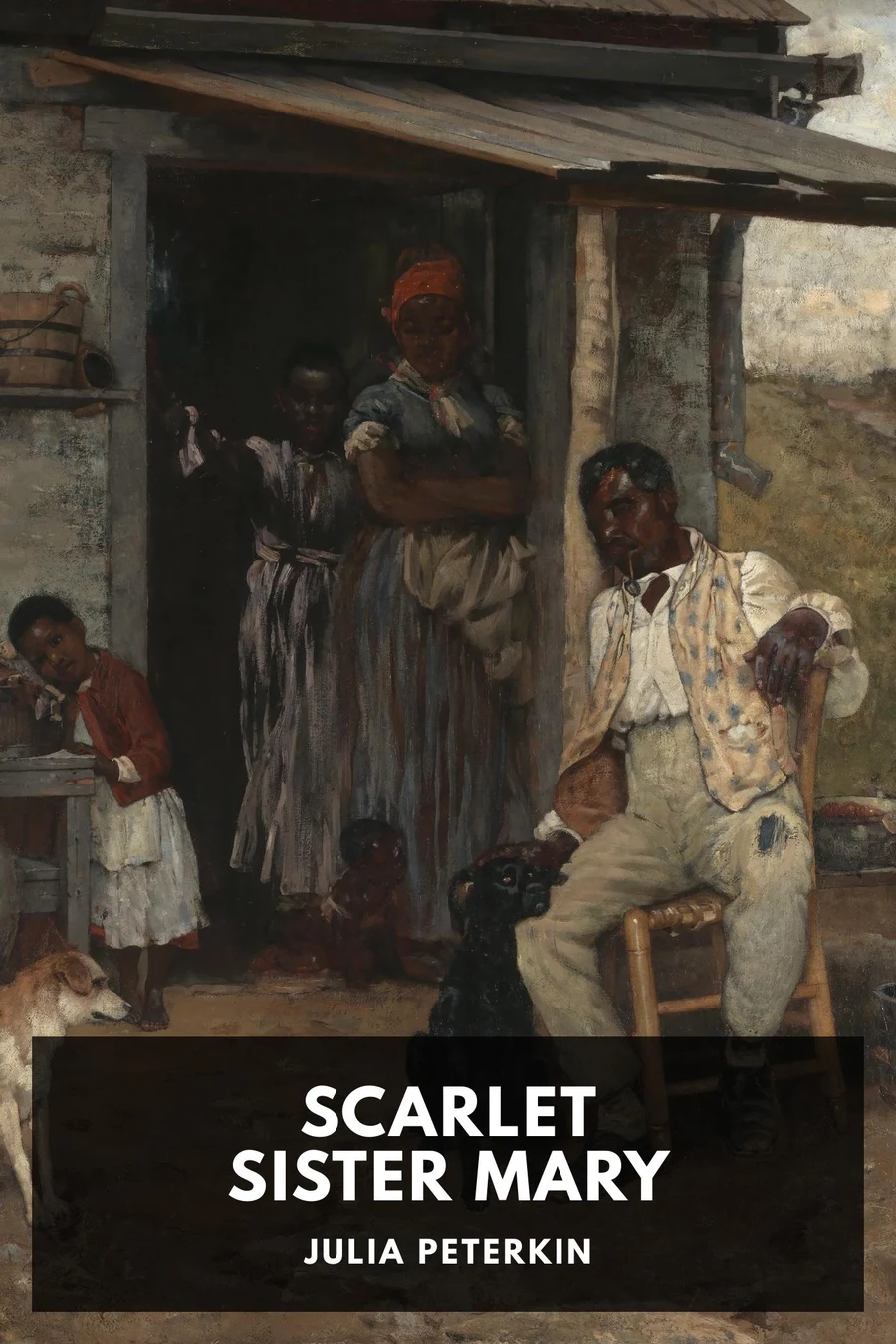
Scarlet Sister Mary
6h 1m
72,176 words
en
Set in the post-Civil War South on Blue Brook Plantation, Scarlet Sister Mary tells the story of Mary, a fifteen-year-old orphan girl in a close-knit Gullah community. As she prepares to marry the charismatic but unreliable July, Mary finds herself torn between tradition and her own desires. Love, community, and superstition intertwine as Mary learns who and what truly matter to her. Scarlet Sister Mary, written at the height of the Harlem Renaissance, is notable for its depiction of African-American life, particularly the Gullah people; and especially so because it was written by a white author, something very unusual for the era. It won Julia Peterkin the Pulitzer Prize for Fiction in 1929. The Pulitzer was not without controversy. The jury chair had spoken publicly of another candidate, Victim and Victor by John Rathbone Oliver, as his favorite for the prize, which was reported in Publishers’ Weekly as being the actual announcement of the winner. Shortly afterward, The New York Times published an article by the head of the Advisory Board refuting Publishers’ Weekly. Ultimately, the Advisory Board chose Scarlet Sister Mary as the winner and, subsequently, the jury chair resigned. Despite this, the novel remains a noteworthy part of the early 20th-century conversation on race and Southern literature.
PublisherStandard Ebooks
LanguageEnglish
CopyrightThe source text and artwork in this ebook are believed to be in the United States public domain; that is, they are believed to be free of copyright restrictions in the United States. They may still be copyrighted in other countries, so users located outside of the United States must check their local laws before using this ebook. The creators of, and contributors to, this ebook dedicate their contributions to the worldwide public domain via the terms in the [CC0 1.0 Universal Public Domain Dedication](https://creativecommons.org/publicdomain/zero/1.0/).