Boule de Suif
1h 16m
15,036 words
en
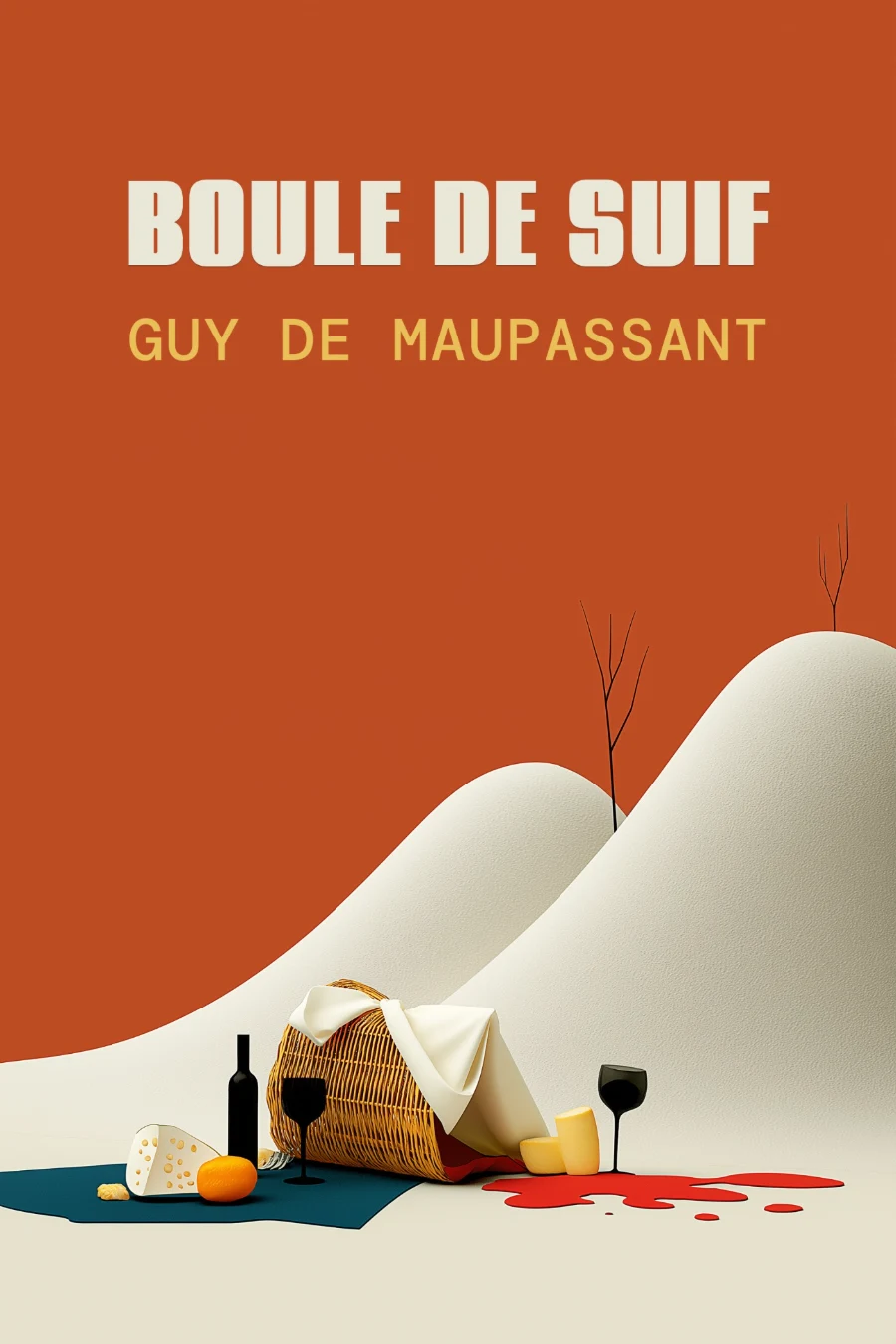
In the winter of 1870, as Prussian troops occupy Rouen, ten passengers crowd into a stagecoach bound for Le Havre — a wine merchant and his wife, an industrialist couple, a count and countess, two nuns, a democrat agitator, and a plump prostitute the locals have nicknamed Boule de Suif ("Butterball"). Snowbound at a wayside inn, they meet a Prussian officer who refuses to let the coach proceed until Boule de Suif consents to spend the night with him. Her companions, who had despised her on the journey, suddenly need her cooperation — and set about wearing down her resistance with arguments dressed in the language of patriotism, religion, and reason.
Maupassant published this novella in 1880 in the Soirées de Médan, the volume that announced French Naturalism and made him famous overnight. Flaubert, his mentor, called it a masterpiece. The story's force lies in its merciless symmetry: the same respectable people who treated Boule de Suif with contempt at the start treat her with contempt again at the end, with only their use for her changing. Maupassant lets each character condemn themselves through their own words, the count with aristocratic politeness, the nuns with theological sophistry, the democrat with revolutionary rhetoric — all variations on the same betrayal.
Boule de Suif endures because it refuses moralism while delivering a moral verdict more devastating than any sermon. It rewards readers who appreciate the satirist's cold eye, who recognize how social class clothes itself in virtue, and who can sit with an ending that offers no consolation and no redemption. More than a war story or a tale of hypocrisy, it is a study in how groups manufacture consent for cruelty, and how the people we sacrifice are always the ones we have already decided do not count.
PublisherKafka
LanguageEnglish
Source
short-fiction-guy-de-maupassant