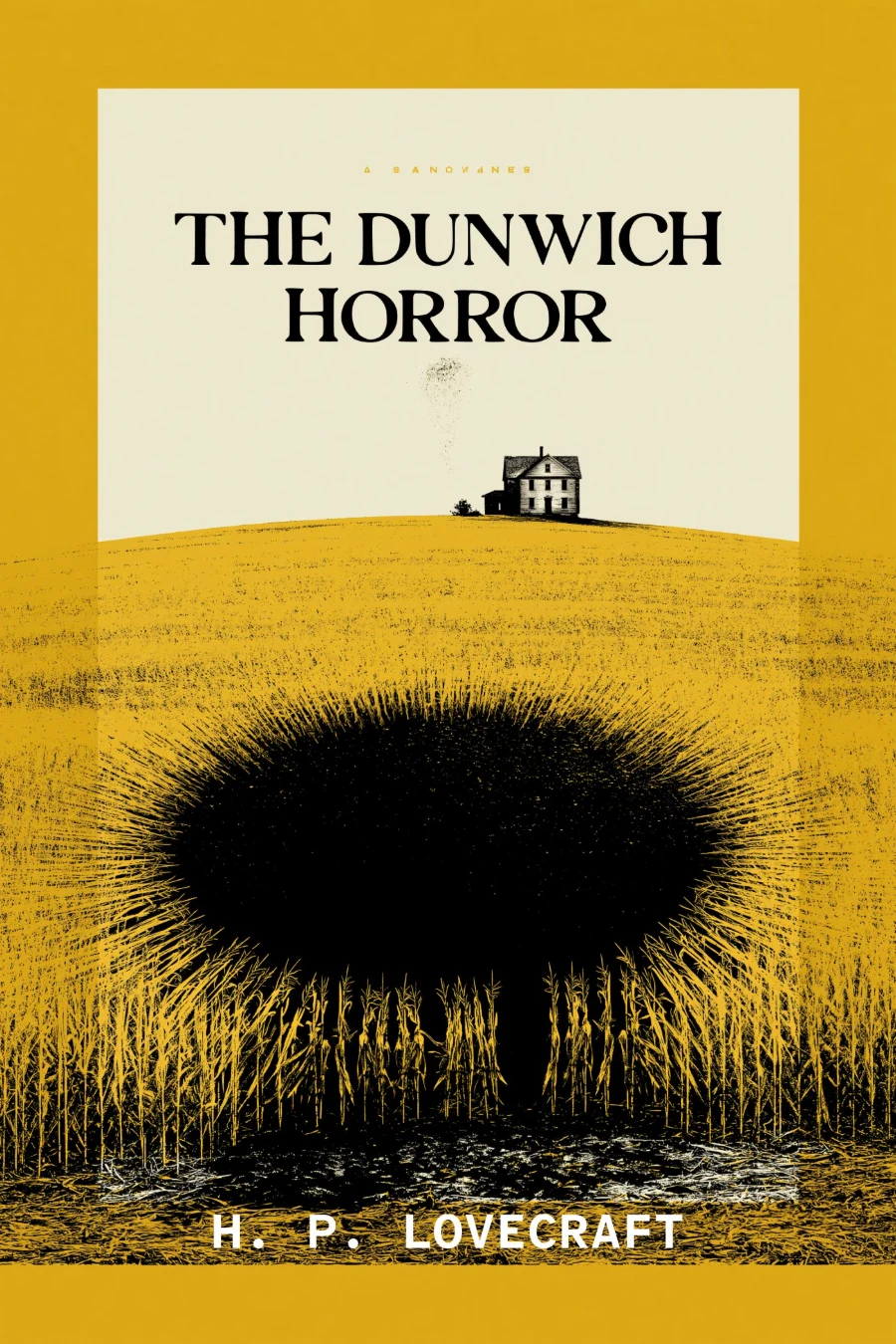
The Dunwich Horror
1h 28m
17,493 words
en
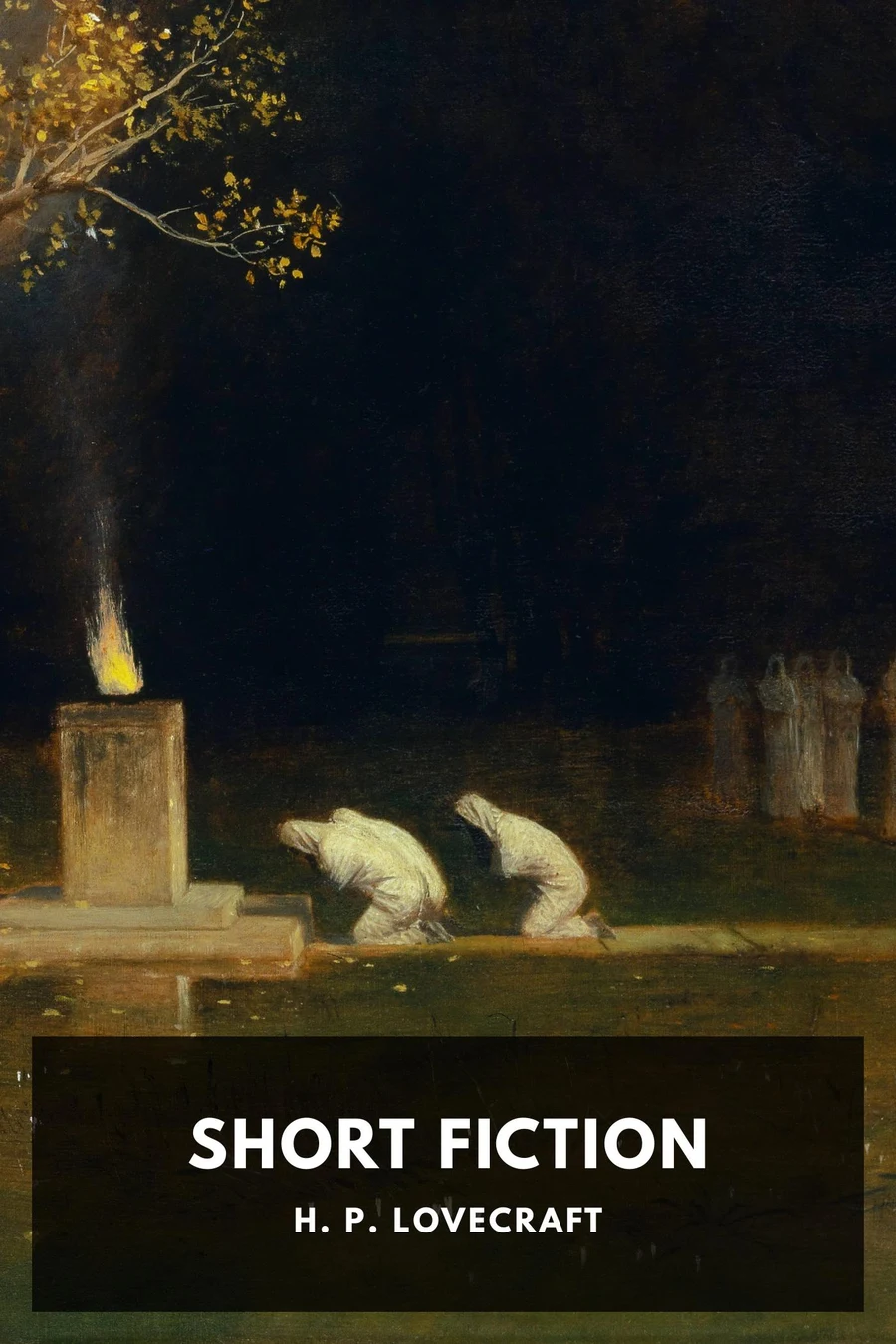
Dunwich is the kind of village travelers learn to avoid — a hollow of decaying farmhouses and overgrown stone circles in the upland country of central Massachusetts, where the families have not crossed with outsiders in two centuries and the local accents preserve syllables no philologist can place. On a February day in 1913, in the back room of the Whateley farmhouse, an albino woman gives birth to a boy whose father no one in the village will name. The infant speaks at eleven months. He stands six feet at four years old. His grandfather, a wizard known to keep books that should not exist, prepares him for a purpose he does not yet trust the village to hear.
Lovecraft published The Dunwich Horror in Weird Tales in 1929, at the height of his powers. It is one of the most accessible entry points to his Cthulhu Mythos because the cosmic terror is filtered through a recognizable form: the regional gothic, in the Hawthorne and Faulkner lineage, with its decayed bloodlines, secret rituals, and pious neighbors who already half-know. Yet by the end the story has expanded into something nothing earlier in the genre had prepared readers for — a confrontation, on a Massachusetts hilltop, with what Lovecraft elsewhere called the indifference of the cosmos to human concerns.
The Dunwich Horror endures because it is the most novelistic of Lovecraft's major tales — there are real characters, a real chase, real stakes — while still operating on his signature register of dread. It rewards readers new to the Mythos who want a way in that feels like a story before it feels like a system, and seasoned readers who want to watch Lovecraft handle pacing, dialogue, and dread in fuller form than the briefer tales allowed.
PublisherKafka
LanguageEnglish
Source
short-fiction-h-p-lovecraft