The Daughter of Time
4h 34m
54,647 words
en
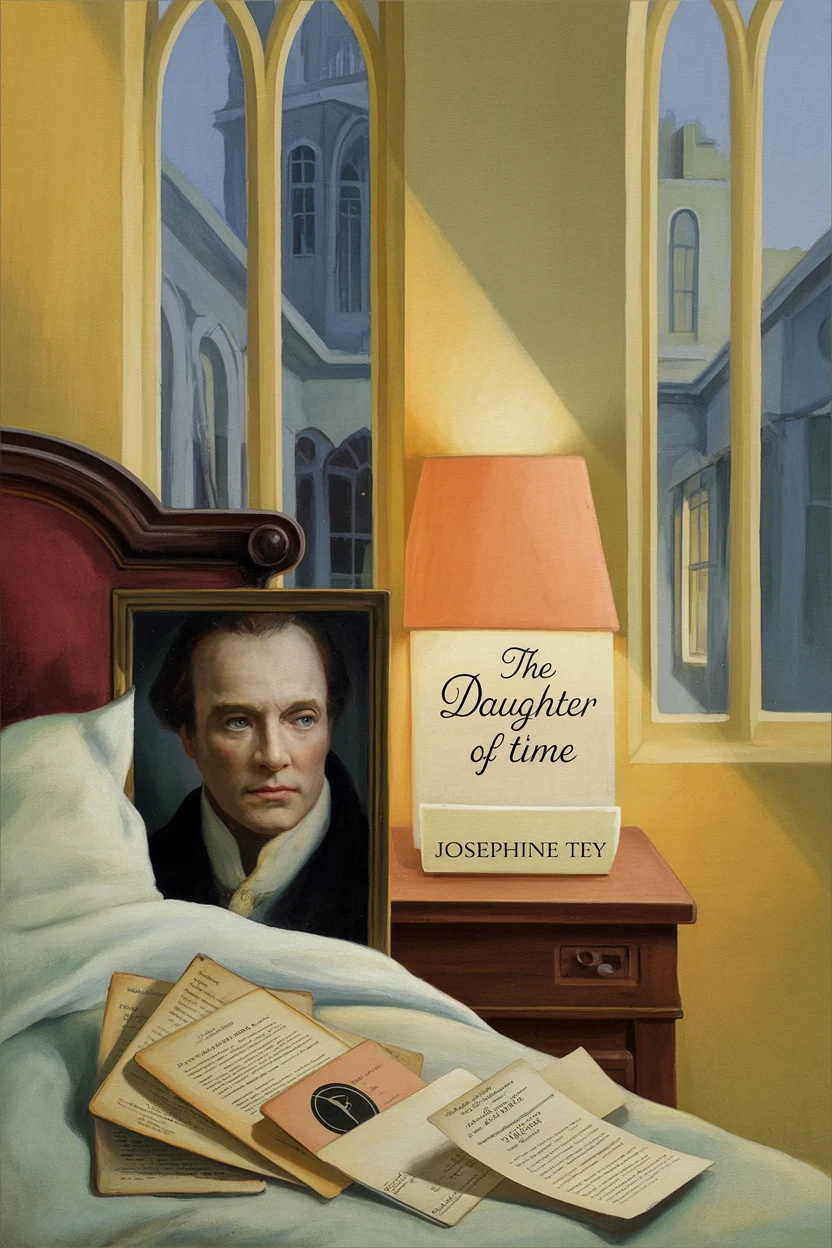
A Scotland Yard detective lies flat on his back in a hospital bed, sentenced to weeks of enforced idleness after an accident. Bored beyond measure by the magazines and mysteries his friends bring him, Inspector Alan Grant turns his analytical eye to a different kind of puzzle: a centuries-old murder case. A reproduction of a historical portrait catches his attention, and he finds himself captivated by the face staring back at him—a face that conflicts entirely with the crimes its owner supposedly committed. What if everything we've been taught about Richard III, the last Plantagenet king accused of murdering his young nephews in the Tower of London, is wrong?
What unfolds is an investigation conducted entirely from a hospital bed, through books, documents, and the research assistance of a willing American scholar. Tey constructs a detective story that reads like a thriller even as it methodically dismantles historical orthodoxy. The novel explores how history gets written by victors, how propaganda calcifies into accepted truth, and how the same detective skills used to solve modern crimes can be applied to cold cases from the fifteenth century. The tone is witty and conversational, filled with Grant's dry observations about human nature and the ways we prefer comfortable lies to uncomfortable truths. The investigation becomes a meditation on the reliability of sources, the power of repetition, and the difference between facts and the narratives built around them.
This book endures because it demonstrates how detective fiction can be a vehicle for intellectual inquiry while remaining genuinely suspenseful. It rewards readers who relish the pleasure of watching a sharp mind at work, who enjoy having their assumptions challenged, and who appreciate a story that trusts them to follow along as it untangles centuries of accumulated myth. Whether or not you arrive at the same conclusions as Grant, the journey of rigorous questioning makes this a deeply satisfying read for anyone skeptical of received wisdom.