The Iliad
12h 59m
155,799 words
en
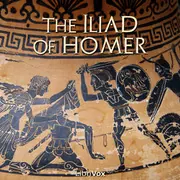
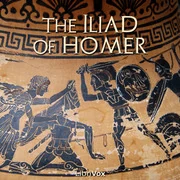
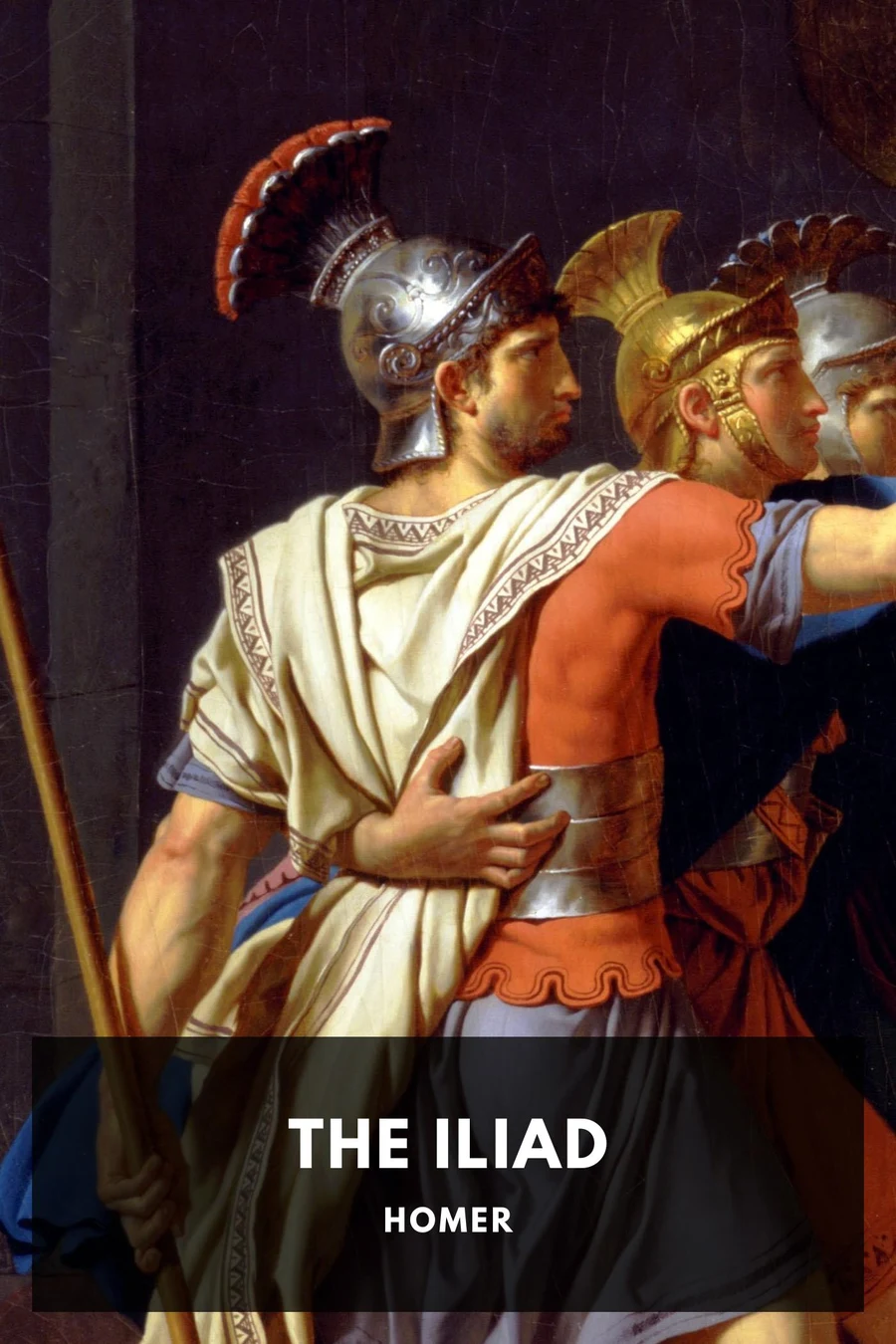
The Iliad is one of the oldest works of Western literature, dating back to classical antiquity. Homer’s epic poem belongs in a collection called the Epic Cycle, which includes the Odyssey. Written in an early literary dialect of ancient Greek, both poems were originally composed in dactylic hexameters. This meter is beautiful in the original but can sound awkward in modern English; Eric McMillan humorously described it as resembling “pumpkins rolling on a barn floor.” In the translation presented here, William Cullen Bryant avoids the problem by using iambic pentameter, a more familiar meter for verse in English. This epic poem begins with the Achaean army sacking the city of Chryse and capturing two maidens as prizes of war. One of the maidens, Chryseis, is given to Agamemnon, the leader of the Achaeans, and the other maiden, Briseis, was given to the army’s best warrior, Achilles. Chryseis’ father, the city’s priest, prays to the god Apollo and asks for a plague on the Achaean army. To stop this plague, Agamemnon returns Chryseis to her father, but then orders Achilles to give him Briseis as compensation. Achilles refuses.
PublisherStandard Ebooks
LanguageEnglish
Source
CopyrightThe source text and artwork in this ebook are believed to be in the United States public domain; that is, they are believed to be free of copyright restrictions in the United States. They may still be copyrighted in other countries, so users located outside of the United States must check their local laws before using this ebook. The creators of, and contributors to, this ebook dedicate their contributions to the worldwide public domain via the terms in the [CC0 1.0 Universal Public Domain Dedication](https://creativecommons.org/publicdomain/zero/1.0/).