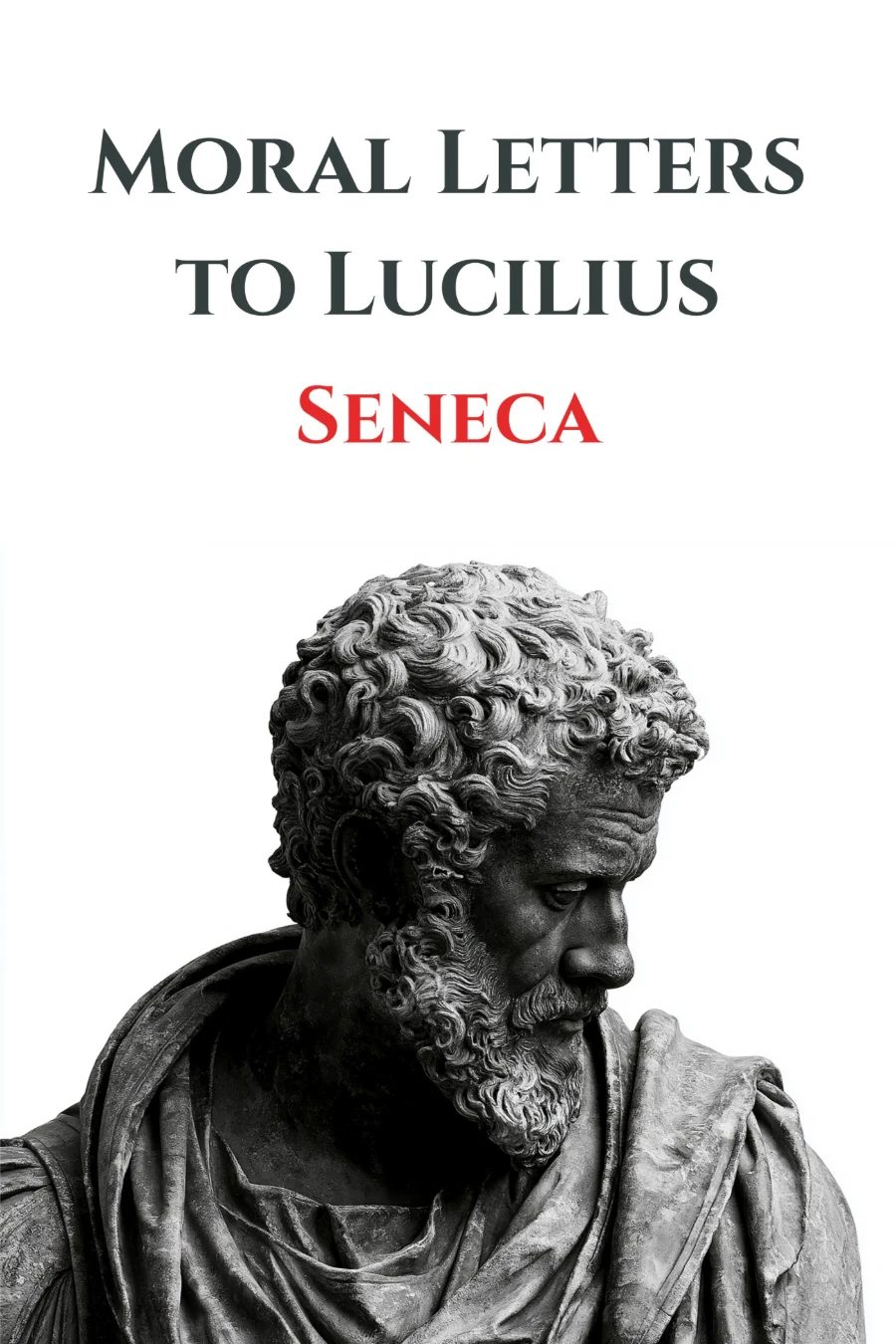
Moral Letters to Lucilius
20h 15m
242,972 words
en
Lucius Annaeus Seneca wrote these letters between AD 63 and his forced suicide in AD 65, when Nero ordered the elderly philosopher to take his own life. Addressed to his younger friend Lucilius — possibly with publication already in mind — they range across friendship, the fear of death, the right use of time, true freedom, and the philosophic life, returning constantly to the practical question of how a person should live. Richard Gummere's 1917 Loeb translation, used here, is the standard English version and remains the most readable introduction to Roman Stoicism.
StoicismPhilosophyRoman LiteratureLettersEthicsPractical PhilosophySelf-ExaminationFriendshipMortalityClassical AntiquityFirst-century RomeLoeb Classical LibraryEpistlesMoral Letters
LanguageEnglish
Source