1900; or, The Last President
57 min
11,340 words
en
On the night of November 3, 1896, news reaches New York City that John Peter Altgeld has held Illinois for the Democrats, electing William Jennings Bryan president of the United States. In upper-class neighborhoods, families sit paralyzed in their homes. Mounted police dash through the streets, shouting for residents to barricade their doors against vast mobs organizing on the East Side. Led by anarchists and socialists, the crowds intend to despoil the wealthy who have oppressed them. Governor Morton orders state regiments into the streets, and the city braces for war.
Bryan’s victory on a Free Silver platform triggers an immediate economic collapse. The republic fractures under the weight of a populist uprising against the Gilded Age elite, plunging the country into widespread social unrest and class conflict.
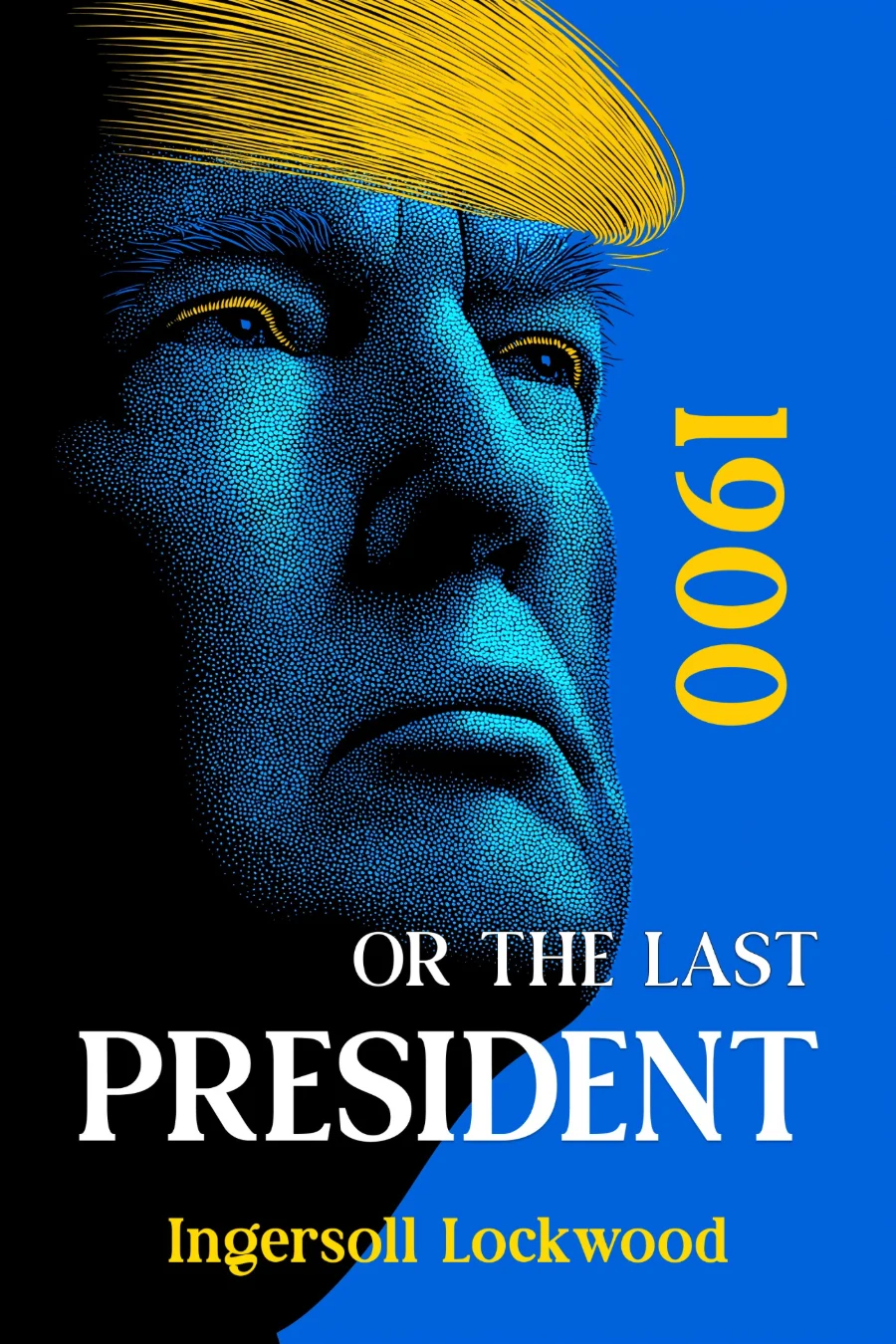
Published in the heat of the 1896 election cycle, Ingersoll Lockwood’s novel imagines the ruin of the American republic under a populist mandate. It survives as a historical artifact of Gilded Age political panic and an early work of dystopian fiction.